Wacker Starts Constructing New Polysilicon Production Plant
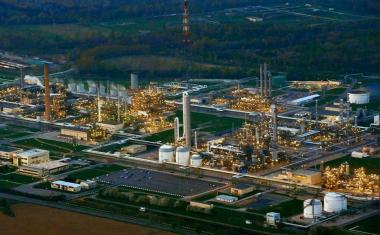
On Friday, Wacker Chemie officially started construction work on a fully integrated polysilicon-production site in the U.S. The groundbreaking ceremony was attended by numerous representatives from politics, business and local government. Wacker's CEO Rudolf Staudigl and Tennessee Governor Bill Haslam broke the ground for the large-scale project. The production complex, with an annual capacity of 15,000 metric tons, is scheduled for completion by late 2013. The project is the single largest investment in Wacker's history and is expected to create around 650 new jobs in Cleveland, Tennessee.
As announced earlier, Wacker is also expanding its German facilities at Burghausen and Nünchritz. The total increase there will be 10,000 metric tons per year by 2012. As a result, Wacker's overall hyperpure polysilicon capacity will rise to 67,000 metric tons by 2014.
With this new site in Tennessee, Wacker said it wants to make sure they can keep the pace with the global growth they expect for hyperpure polysilcon. "This expansion is necessary to meet our customers' future needs for top-quality polysilicon to make high-efficiency solar cells," says Wacker's CEO Rudolf Staudigl, explaining the investment decision. According to Staudigl, virtually the entire output of the Tennessee site has been contractually secured for 2014.