US to Start Phase 1 Zika Vaccine Trial
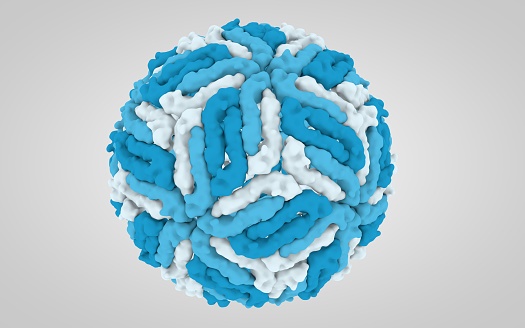
The US National Institute of Allergy and Infectious Diseases (NIAID), part of the National Institutes of Health, has launched a clinical trial of a vaccine candidate intended to prevent Zika virus infection that contracted during pregnancy can cause a serious birth defect called microcephaly, as well as other severe fetal defects of the brain and other organs.
In an early-stage study, the primary US government agency responsible for biomedical and health-related research will evaluate the experimental vaccine's safety and ability to generate an immune system response in participants.
At least 80 healthy volunteers aged 18-35 years are expected to participate in the Phase 1 clinical trial with the investigational vaccine developed by NIAID's Vaccine Research Center (VRC) earlier this year. The three US study sites will include the NIH Clinical Center in Bethesda, Maryland, and Emory University in Atlanta, Georgia. Volunteers will be divided randomly into four study groups of 20 people each, and all participants will receive the same dose at each vaccination.
The study is the government’s response to the ongoing outbreak of the Zika virus in the America – the latest of which has gripped a subdivision of Miami, Florida, prompting a national travel advisory. According to the US Centers for Disease Control and Prevention (CDC) in Atlanta, more than 50 countries and territories have active Zika virus transmission. In the US and its territories, more than 6,400 Zika cases have been reported.
NIAID Director Anthony S. Fauci said results with the vaccine in animal testing have been very encouraging, adding, “We are pleased that we are now able to proceed with this initial study in people. Although it will take some time before a vaccine against Zika is commercially available, the launch of this study is an important step forward.”
The investigational DNA vaccine approach is said to be similar to that used for another investigational vaccine developed by NIAID for West Nile virus, which was found to be safe and induced an immune response when tested in a Phase 1 clinical trial. The vaccine includes a plasmid – a small, circular piece of DNA – engineered to contain genes that code for proteins of the Zika virus.
As DNA vaccines do not contain infectious material, they cannot cause a vaccinated individual to become infected with Zika. “DNA or gene-based vaccines induce antibodies, but they also can activate the cell-mediated immune response, which ultimately could yield strong and durable protection against disease,” said John Mascola, director of NIAID's Vaccine Research Center.
Initial safety and immunogenicity data from the Phase 1 trial are expected by the end of 2016. If results show a favorable safety profile and immune response, NIAID plans to initiate a Phase 2 trial in Zika-endemic countries in early 2017.