SABIC Consolidates Fertilizer Assets
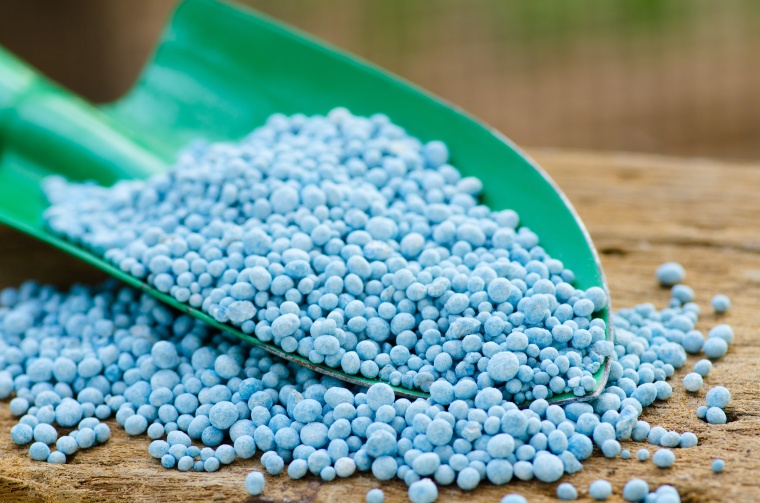
SABIC is consolidating all its equity shares and assets in companies producing fertilizers into one new company called SABIC Agri-nutrient Investments.
The Saudi giant currently holds stakes of 50% each in Jubail Fertilizer (Al-Bayroni) and National Chemical Fertilizer (Ibn Al-Baytar), 33% in Bahrain’s Gulf Petrochemical Industries Co. (GPIC), 30% in Ma’aden Phosphate Co. and 15% in Ma’aden Wa’ad Al-Shamal Phosphate Co.
The company has also signed a Memorandum of Understanding (MoU) with its subsidiary Saudi Arabian Fertilizer Co. (SAFCO), which produces ammonia, urea and urea formaldehyde, to facilitate the integration of the newly formed company into SAFCO, subject to regulatory and shareholder approval. The integration process is expected to be completed by the end of 2019. SABIC owns 43% of SAFCO, with the remaining 57% held by the private sector and the public.
According to SABIC, the restructuring will provide a growth platform, strengthening its ambition to grow its fertilizer business into a global leader. SABIC has capacity to produce 5 million t/y urea, 3.4 million t/y ammonia, 1.5 million t/y mono- and di-ammonium phosphate and 900,000 t/y of other complex fertilizers.
“The integration of our agri-nutrient production assets under one umbrella, represents part of SABIC’s diversification strategy and transformation program to achieve successful and sustainable long-term growth. Integration of all our fertilizer production assets will allow SABIC and SAFCO to achieve accelerated organic and inorganic growth as well as capture further operational synergies and increase overall production efficiency,” said SABIC’S CEO, Yousef al-Benyan.