J&J wins $55 Million Talc Lawsuit
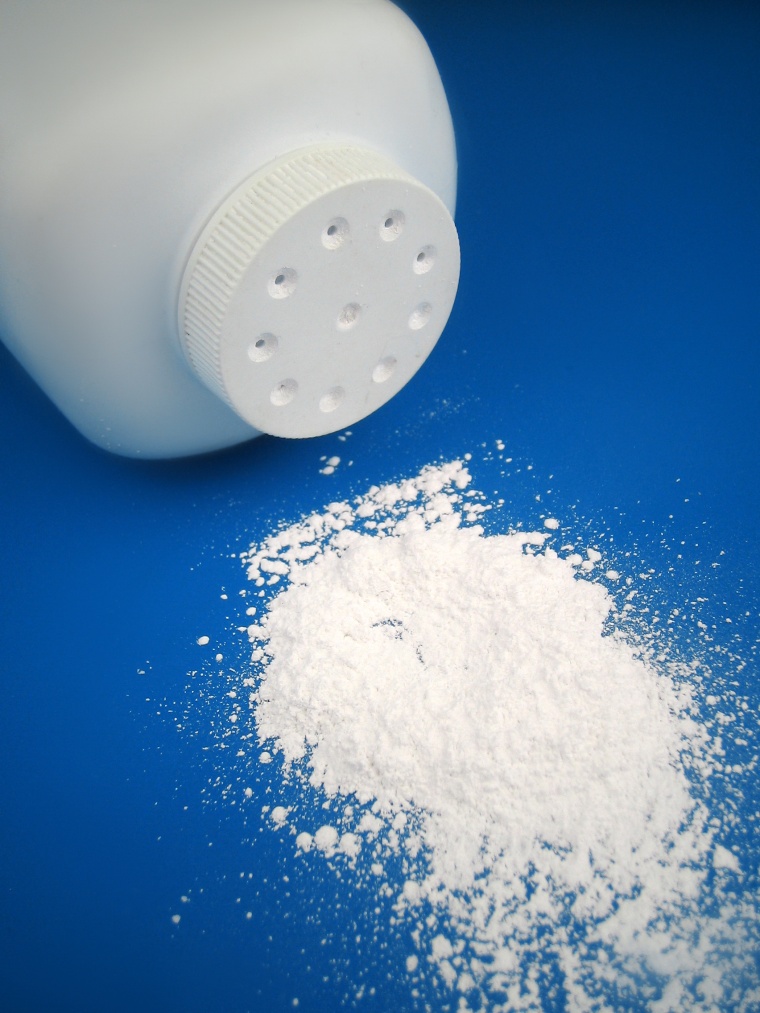
Johnson & Johnson (J&J) has won its third appeal of a verdict implicating its talc-based baby powder in a user’s cancer on a technicality. The Missouri Court of Appeals overturned a lower court’s 2016 judgment, finding that the court lacked jurisdiction. The South Dakota resident, Gloria Ristesund her use of the J&J product for more than 40 years caused her to develop ovarian cancer.
The largest US healthcare company has also won two other appeals over the past year, including one worth $72 million in Missouri and a $417 million case in California.
In the latest Missouri case, reports said the company also benefited from a Supreme Court decision in a trial involving Bristol Myers Squibb, saying that patients may not pick and choose trial venues, despite the fact that a drugmaker sells its products and maintain operations around the country.
Commenting on the win, a J&J spokesperson told the pharma journal Fierce Pharma it is “extremely pleased the court recognized this trial never should have occurred and vacated the judgment and verdict.”
The company still faces about 9,100 talc powder liability cases, according to a recent SEC filing. The biggest pending court action is a class action suit involving 22 plaintiffs in St. Louis, Misssouri, expected to finish in mid-July.