Ineos Plans US Phenol Expansion
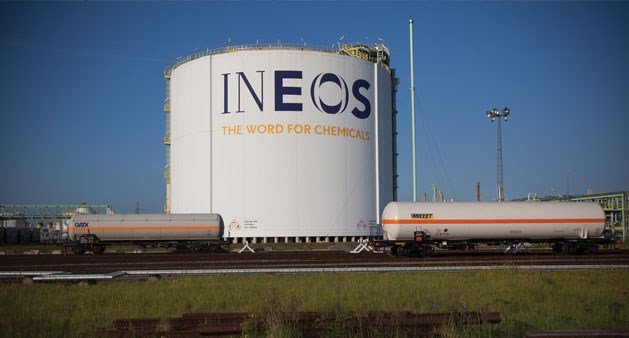
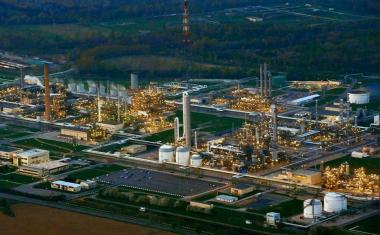
Following a flurry of project announcements this year, Ineos has now revealed that it is planning to expand the capacity of its phenol plant in Mobile, Alabama, USA.
The project will lift the plant’s capacity to 850,000 t/y, making it the largest phenol unit in the world, Ineos said.
Hans Casier, CEO of Ineos Phenol, said the expansion will meet an anticipated growth in demand. “The Mobile asset is already the largest and most efficient single-train plant in the US and the expansion will build on this key strength. It also takes full advantage of our Gulf Coast location and our proprietary best-in-class operating technology,” said Casier.
The company did not disclose when the additional capacity would go on stream.
In separate news, Ineos has selected McDermott’s Lummus Catofin technology for its proposed propane dehydrogenation (PDH) unit. The company has also signed an agreement with Clariant for the long-term supply of catalyst for the plant.
The PDH unit will have a nameplate capacity of 750,000 t/y of polymer-grade propylene and commissioning is scheduled for 2023. The output will feed Ineos’s PP units as well as a number of other derivative units.
The location for the PDH plant, which is being built in parallel with a new gas cracker, will be announced later this year.