ExxonMobil Settles US Clean Air Dispute
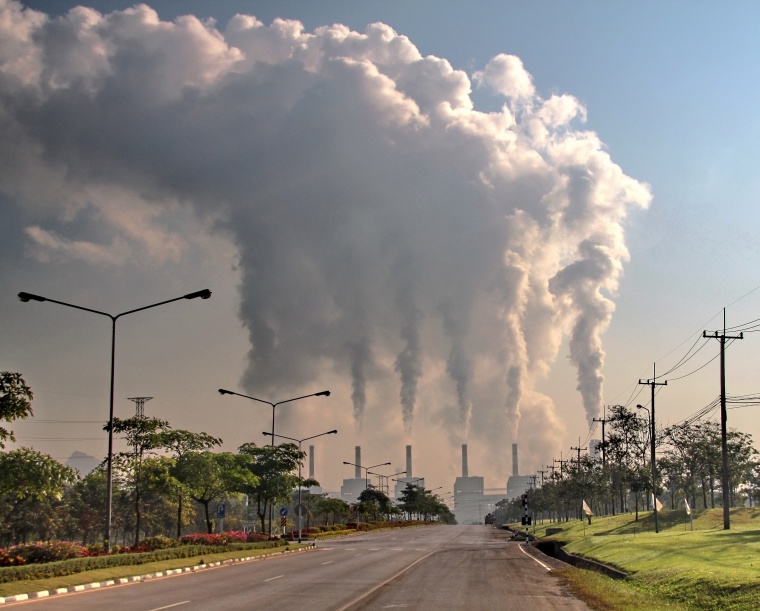
To settle a long-running lawsuit over alleged violations of the US Clean Air Act, oil and petrochemicals titan ExxonMobil has agreed to spend $300 million on upgrading eight US chemical facilities and pay a civil penalty of $2.5 million. The company will be required to spend $1 million on a project to plant trees as a buffer to airborne pollutants.
According to the charges brought by the US Department of Justice (DOJ), along with the Environmental Protection Agency (EPA) and the Louisiana Department of Environmental Quality (LDEQ), ExxonMobil’s chemical plants violated regulations for emissions of benzene and other potentially toxic chemicals into the atmosphere.
The LDEQ will receive $470,000 of the $2.5 million total civil penalty, and Exxon has been ordered to conduct “beneficial environmental projects” in the state of Louisiana, including purchasing a $1.5 million mobile air quality-monitoring vehicle for LDEQ’s use.
"This settlement will improve air quality in Texas and Louisiana by eliminating emissions of more than 7,000 t/y of volatile organic compounds (VOCs) and 1,500 t/y of toxic air pollutants such as benzene from the facilities in Texas and Louisiana,” said acting assistant attorney general Jeffrey Wood of the Justice Department's DOJ) environment and natural resources division.
As part of the remediation project, ExxonMobil will be obliged to install new pollution controls and monitoring equipment as well as upgrading industrial flares. According to the regulators, the company failed to properly operate and monitor industrial flares, which led to excess emissions from the units.
To minimize the waste gas sent to the flares, the company will create waste minimization plans for each facility. At four of the facilities, it will operate flare gas recovery systems, which will allow it to reuse these gases as a fuel at its facilities or a product for sale.
VOCs are a key component in the formation of smog or ground-level ozone, which are thought to increase susceptibility to respiratory illnesses such as pneumonia and bronchitis. The EPA classifies benzene as a carcinogen.
The consent decree, lodged in the US Southern District Court of Texas, is subject to a 30-day public comment period and final court approval.
In unrelated news, a fire broke out at an ExxonMobil refinery in Baton Rouge, Louisiana, early on Nov. 1. The company said the fire was contained, and there were no injuries. On Nov. 2, air monitoring was continuing.