Bayer Cuts Covestro Shareholding Further
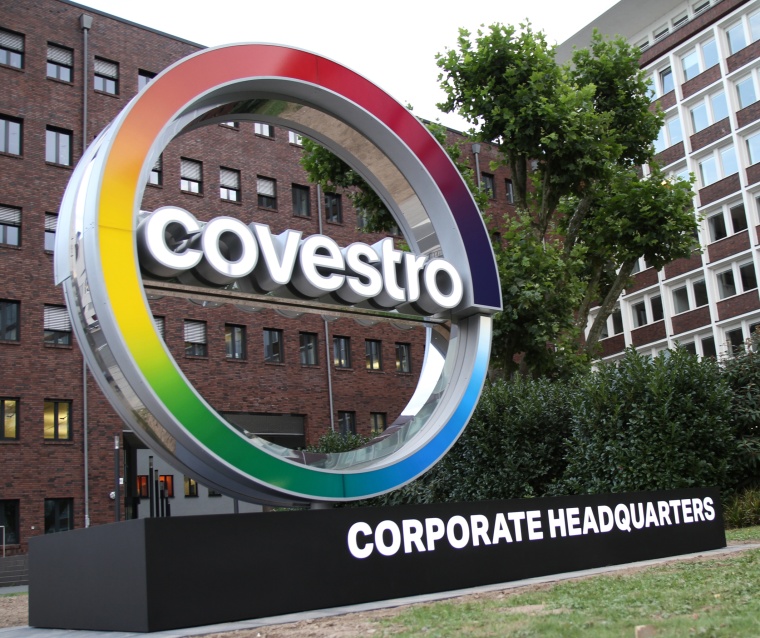
As part of its cash-raising package for the $66 billion Monsanto takeover, Germany’s Bayer has further reduced its stake in engineering plastics producer Covestro, its former MaterialScience business segment.
In an accelerated bookbuilding process with a targeted volume of around €2 billion, the chemicals and life sciences group placed 1.2 million shares on the Frankfurt stock exchange on Sept. 12.
Bayer did not specify by how much it cut the shareholding. Based on the market’s closing price, the news agency Reuters calculated that it was around 9%. However, it noted that the percentage was probably higher, as a block of shares of that size is typically placed at a discount.
Prior to the sale, Bayer was still Covestro’s largest shareholder with 40.9%. The Bayer group’s pension trust holds a further 8.9%.
The former parent company intends to eventually shed all of its interest in the plastics producer but has agreed to hold off on placing more shares for 90 days. In December 2015, Covestro was listed for the first time – in the German MDAX stock market index of 50 medium-sized companies.
The German-language edition of the research magazine Technology Review meanwhile has ranked Covestro as one of the 50 most innovative companies of 2017, touting above all its successful use of plant-based raw materials to produce aniline.