Air Liquide Talks to Messer on Assets Sale
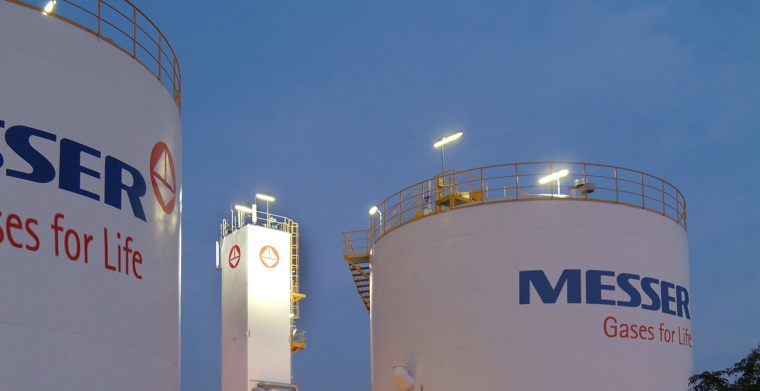
French industrial gases group Air Liquide has announced it is talking exclusively to German gases rival Messer about selling its entities in the Czech Republic and Slovakia.
Air Liquide said the decision illustrates its strategy to regularly review its asset portfolio and focus its geographic expansion on key regions.
The respective companies to be sold started operating in Slovakia in 2000 and a year later in the Czech Republic. Both locations employ a total of 53 people with offices in Trnava and Prague.
Last year, Messer, in a joint venture with private equity firm CVC Capital Partners Fund VII, bought most of Linde’s North American industrial gas assets along with some activities in South America. Linde had to sell the operations to get clearance from the US Federal Trade Commission for its merger with Praxair.
The German gases group has said it plans to invest about $3.6 billion in the Messer Industries joint venture. Last September, six months after it closed the purchase of Linde’s assets, the company announced it would spend $38 million to build a new air separation plant in Indianapolis, Indiana.
The Indiana facility, which will produce oxygen, nitrogen and argon, is planned to start up in early 2021. It will supply industrial- and medical-grade gases to the healthcare, chemical and food sectors as well as the glass and metal industries.