AI Makes Drug Discovery Faster
Interview with Joachim Haupt and Florian Kaiser, PharmAI


Interview with Joachim Haupt and Florian Kaiser, PharmAI

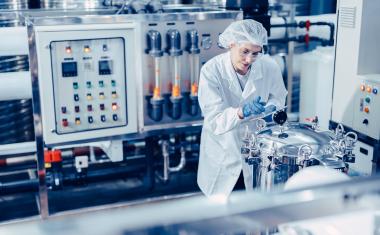
The value in applying AI in Pharma is in making new and better drugs available faster than would be possible otherwise. By augmenting sparse-data AI with expert knowledge and applying it to the latest nanoparticle engineering techniques, opportunities are created to eliminate the risk associated with new techniques and give therapeutics a second chance to reach the patients who need them.

Management pays a lot of attention to new ideas and cutting-edge technologies, but most of their resources are consumed by mature legacy technologies that are often not actively and rigorously managed. A visual matrix can help teams understand which technologies offer the greatest long-term potential for businesses.
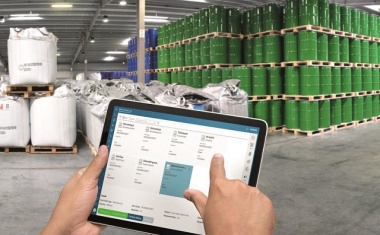
For many years, fine and specialty chemicals markets were on a robust growth path.

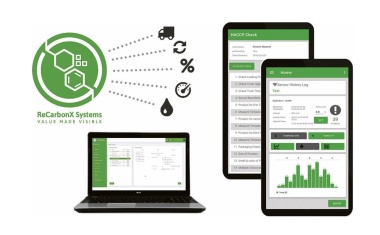
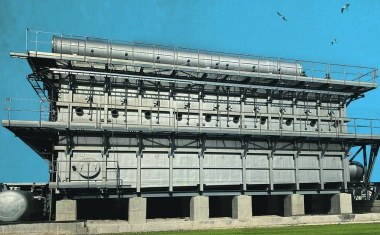
In many industrial applications the wet sulfuric acid process is the most important technology for recovery of sulfuric acid and energy from sulfur bearing compounds.
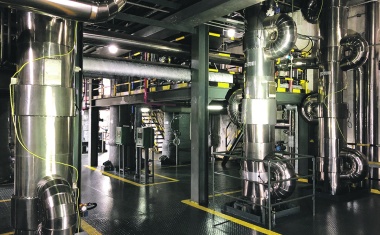
At an online roundtable event hosted by CHEManager, a group of industry experts discussed the reasons why microreaction technology (MRT) has not achieved the status for instance in fine chemicals and active ingredients production that one might expect as well as various business and production aspects of the technology.
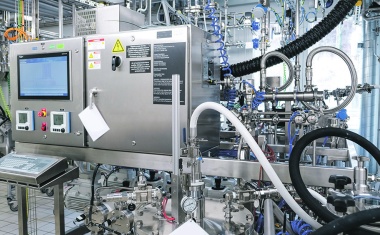
The global market for oligonucleotide therapeutics is expanding rapidly. Bachem, an innovation-driven company based in Bubendorf, Switzerland, has entered this competitive environment a few years ago and meanwhile has passed certain milestones on its way to become a preferred oligonucleotide manufacturing partner for pharmaceutical companies.
Storage conditions play a vital role in the entire supply chain of pharmaceutical products and must comply with strict regulations. From manufacturers to patients, storage conditions are essential for the quality, safety, and efficacy of medications.

The positive impacts of Predictive Maintenance are broad and should be considered holistically. No one ever said that nurturing a perfect rose garden was simple, but the results can be dramatic.
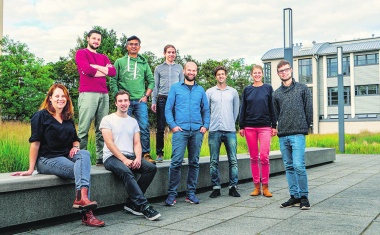
Interview with Oliver Reimann and Andreas Regnery, Belyntic
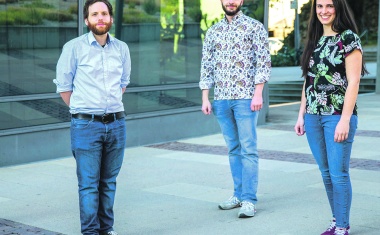
Biovox was founded in 2020 to enable more sustainability through renewable bioplastics even in difficult applications such as consumables in healthcare or machine parts.

Munio is developing streamlined and efficient learning and access systems that enable business park operators to offer flexibility to their tenants while maintaining control.

Yncoris has started marketing “The New Knapsite”, one of the largest sites available in Europe for the development of sophisticated process industries and sustainable chemistry of the future. The site offers optimal logistical connections as well as excellent links to the existing Knapsack Chemical Park and the infrastructure it provides.
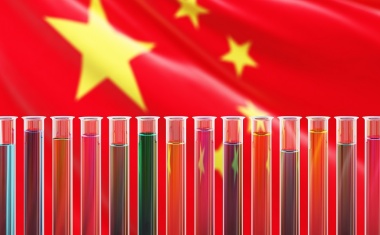
Chemical MNCs show strong verbal commitment to China, but the real situation is somewhat underwhelming.

Antwerp is the home port of the largest integrated chemical cluster in Europe. It is the place for entering into partnerships throughout the chain and even across sectors.
If you follow the daily news on climate protection and the promotion of hydrogen technologies, you sometimes get a sense of déjà vu: Didn't this already exist 20 years ago? What was implemented at that time? What sustainable hydrogen-based technologies can we expect today?
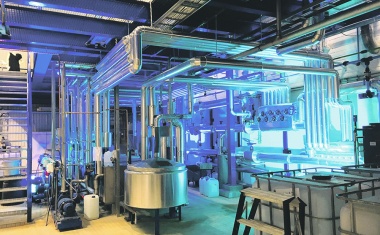
Interview with Jere Koskinen and Ali Harlin, Mega Cellulose.

After an initial euphoria, the use of microreaction technology stagnated, but it is now on the way to establishing itself in production. A world-scale system is currently being set up in China that uses the Miprowa technology from Ehrfeld Mikrotechnik.
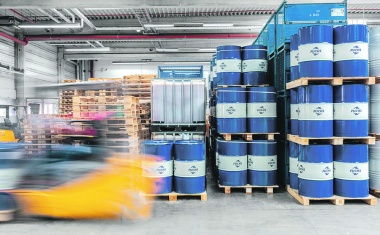
Lubricants for automotive, mechanical engineering, aviation and various other industries: This is the business model of Fuchs Schmierstoffe from Mannheim.

When Circa was founded in 2006, the company’s aim was to convert non-food cellulose into high-performance, renewable chemicals, at scale — extracting value from waste biomass and addressing a gap in the market for better, more sustainable materials.

As gender and diversity, as well as the body positivity movement, become more and more prevalent among young consumers, beauty companies are finding that they are going to have to re-define how products are advertised if they want to stay relevant.

Dago Caceres, Global Strategy Manager for Pharma Solutions at IFF, talks about the new IFF and the strategy ahead for the pharmaceutical division in particular.

Europe wants to become the world’s first climate-neutral continent by 2050 and decouple its economic growth from the consumption of natural resources – this is what the members of the European Union committed to in the so-called Green Deal in December 2019.
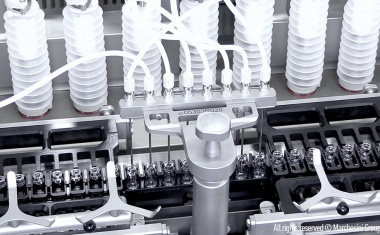
Recent studies show that contract manufacturers for the pharmaceutical industry, so-called CDMOs (contract development and manufacturing organizations), have so far been little involved in the production of vaccines. This is changing with the outbreak of the Covid-19 pandemic.
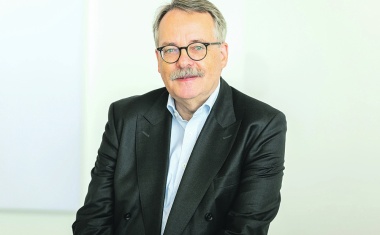
The European Chemical Industry has set out on an ambitious path to become carbon neutral.

The European Chemical Industry has set out on an ambitious path to become carbon neutral.

The European Chemical Industry has set out on an ambitious path to become carbon neutral.

The European Chemical Industry has set out on an ambitious path to become carbon neutral.

The European Chemical Industry has set out on an ambitious path to become carbon neutral.
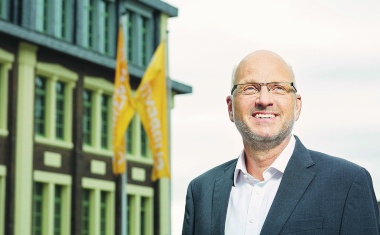
The European Chemical Industry has set out on an ambitious path to become carbon neutral.
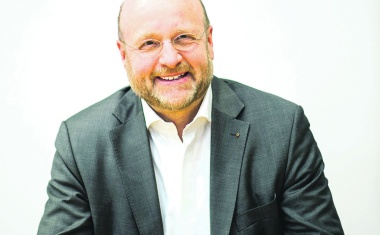
The European Chemical Industry has set out on an ambitious path to become carbon neutral.
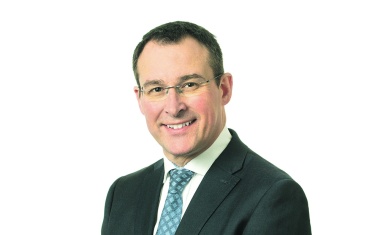
The European Chemical Industry has set out on an ambitious path to become carbon neutral.