
Bayer/Monsanto: Glyphosate Ruling in the US Sends a Strong Signal
Monsanto wins the first glyphosate case unanimously following the landmark decision by the US Supreme Court in June.


Monsanto wins the first glyphosate case unanimously following the landmark decision by the US Supreme Court in June.
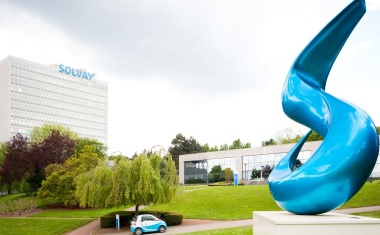
Belgian chemical major Solvay has reached a $393 million deal with the US state of New Jersey to remedy contamination from poly- and per-fluorinated alkyl substances (PFAS) – also known as “forever chemicals – caused by its subsidiary Solvay Specialty Polymers.
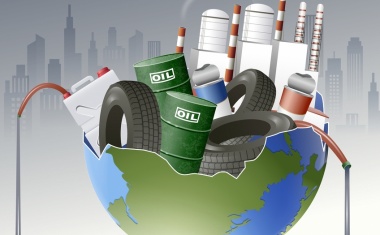
Due to considerations likely to reflect objections not only from the chemical industry, the US Environmental Protection Agency (EPA) and the US Department of Justice have pulled a much-heralded campaign for environmental justice in the state of Louisiana.
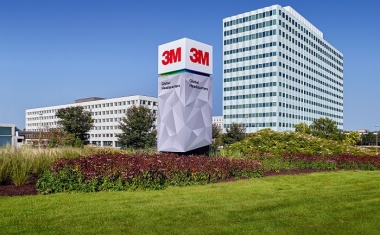
3M has agreed to pay $10.3 billion to resolve legal challenges brought against the company by US public water systems over its discharges of polyfluoroalkyl substances (PFAS) into US waterways. The deal is subject to approval by a US federal court.
Du Pont has been found guilty of criminal negligence and fined $12 million in connection with a November 2014 explosion that killed four employees of its methyl mercaptan plant in LaPorte, Texas, and caused extensive environmental damage.
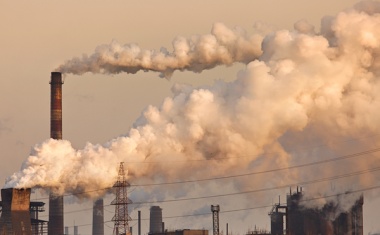
As part of administrator Michael Regan’s drive to improve air quality in residential areas bordering chemical production facilities, the US Environmental Protection Agency (EPA) has proposed that companies measure emissions of certain hazardous compounds that drift beyond the factory fence lines and reduce them if they are too high.
After years of little or no movement on regulation of per- and poly-fluorinated alkyl substances (PFAS), Europe and the US, separately, are now preparing legislation to contain them.

The US Environmental Protection Agency (EPA) has received $550 million from the Biden administration’s Inflation Reduction Act (IRA) to spend on measures to remediate pollution and in some cases protect communities from toxic emissions.

Across the US and Europe, health and environment NGOs are putting pressure on national authorities to curb contamination from poly-fluorinated alkyl substances (PFAS), the hard-to-decompose “forever chemicals” used to make semiconductors, batteries, aircrafts, cars, medical equipment or coat frying pans and skis.
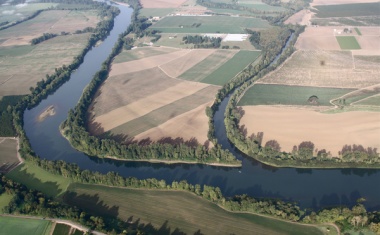
The US Environmental Protection Agency (EPA) has proposed a $5.4 million historic settlement with chemical giant Dow to cover its dioxin pollution cleanup efforts resulting from the company’s contamination of waterways dating back to the 19th century.

Is the grass really always greener on the other side? Scarcely heard up to now above the din European chemical companies have been making about being disadvantaged by the US Inflation Reduction Act, which subsidizes “green investment” by American companies, their US competitors are making noises of their own.
The US Environmental Protection Agency (EPA) has awarded $7.7 million in research grant funding to 11 technology institutions to develop and evaluate innovative methods and approaches to inform understanding of the human health risks of exposure to chemical mixtures in the environment.
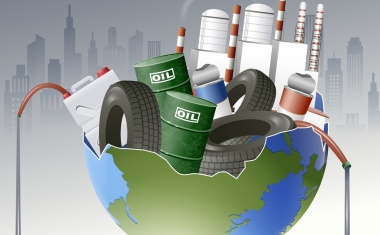
Michael Bloomberg’s $85 million campaign against the proliferation of large chemicals and plastics production complexes and the pollution they can cause has been praised by environmental advocacy groups but has not gone down well with representatives of the US industries.
American Chemistry Council (ACC), the industry association representing US chemical producers, is suing the US Environmental Protection Agency (EPA) over its Lifetime Health Advisories (LHAs) for per-fluoroalkyl and poly-fluoroalkyl chemicals (PFAS).
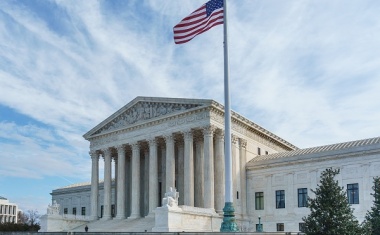
The mission of the US Environmental Protection Agency (EPA) under US president Joe Biden for the past 18 months has been to restore some of the Obama era anti-pollution regulations overturned by the former president Donald Trump.

The US Environmental Protection Agency (EPA) is taking a closer look at permits issued for chemical plants by the state of Louisiana’s environment department (LDEQ) over several years in an effort to determine whether they violated anti-pollution standards and disadvantaged Black people residing downwind.
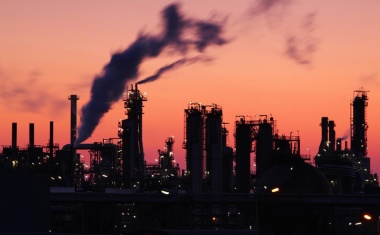
In a sign that the administration of US president Joe Biden will be tougher on environmental offenses than that of former president Donald Trump, three companies belonging to petrochemicals producer LyondellBasell have received fines for improper operation, maintenance and monitoring of flares that the Environmental Protection Agency (EPA) said used too much steam.