Shell JV in Brazil Invests Heavily in Ethanol
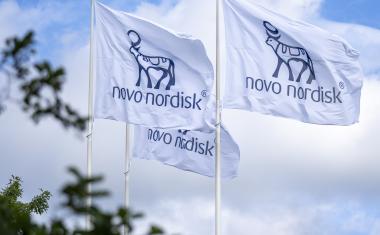
Raízen, a joint venture of oil and petrochemicals group Shell with Brazil's Cosan, will spend nearly $1 billion on building eight second generation bioethanol plants for the production of ethanol from sugarcane waste.
A recently completed plant built by the jv, Brazil's largest ethanol producer, has capacity to produce 40 million liters. Plans are to increase output by as much as 50% up to 2024, João Alberto Abreu, the company's agroindustrial director, told the London-based Financial Times newspaper.
With the completion of eight plants, Shell JV will be able to produce roughly 1 billion liters of biofuel annually.
While production of cellulosic ethanol is still more expensive than conventional ethanol, Abreu told the newspaper he expects costs to fall as the enzymes needed in the production process become more widely available.
Many ethanol producers are said to be struggling to stay afloat following decades of research and failed attempts. In 2012, BP scrapped plans for a $300 million cellulosic ethanol plant in Florida, but other companies, such as DuPont, have taken up the challenge.
In Brazil, Abreu said he believes domestic ethanol demand will continue rising, with export opportunities to Europe.
With crude oil prices tumbling 30% since June, analysts say Shell's upstream petrochemical business has seen its profit margins come under pressure and may soon be labeled by analysts as an underperforming asset.