Polyplastics Plans German Polymers Plant
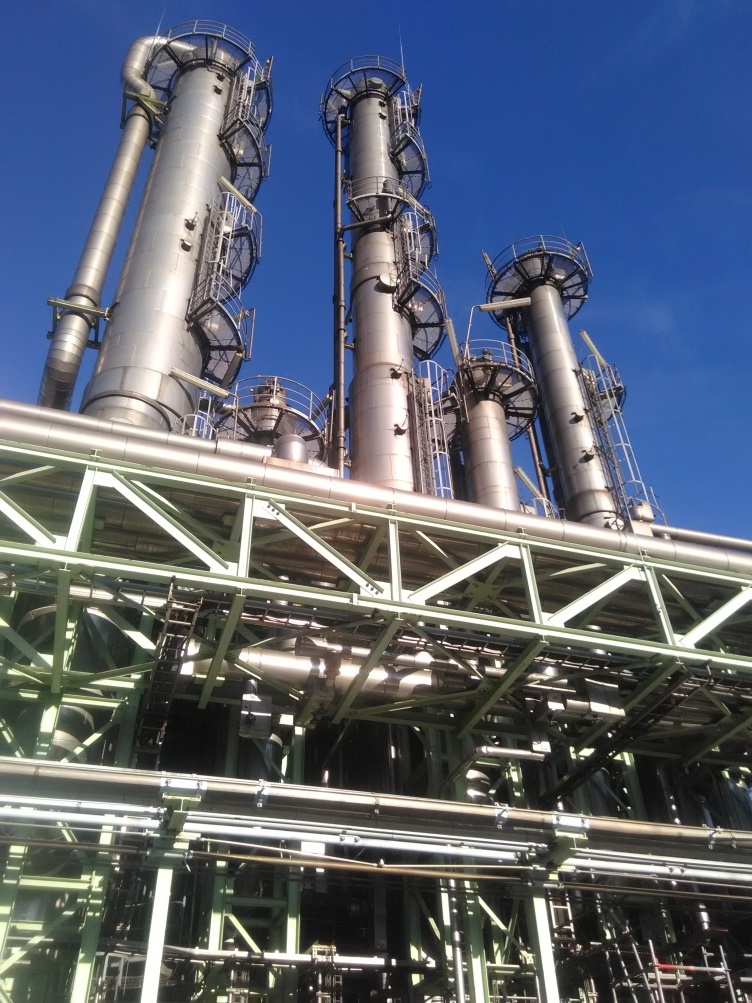
Japanese engineering plastics specialist Polyplastics has announced plans to build a cyclic olefin copolymer (COC) production plant in Leuna, Germany, to meet growing global demand for its Topas COC polymers.
To be operated by local Polyplastics subsidiary Topas Advanced Polymers, the new plant will have a capacity of 20,000 t/y, more than doubling the company’s current output. Startup is scheduled by mid-2023.
Polyplastics has been producing COCs in Oberhausen, Germany, since 2000. The company said it has developed a broad range of applications for, which is certified as recyclable and also is becoming a crucial component in medical devices.
In July, Celanese agreed to sell its 45% share in Polyplastics to partner Daicel for $1.575 billion. The deal, which will give Daicel full control of Polyplastics, is set to close later this year.
Daicel said making Polyplastics a wholly-owned subsidiary will allow it to accelerate the restructuring of its plastics segment, which accounts for 40% of its revenues.