Novartis Cuts Swiss Jobs, Exits Grimsby Site
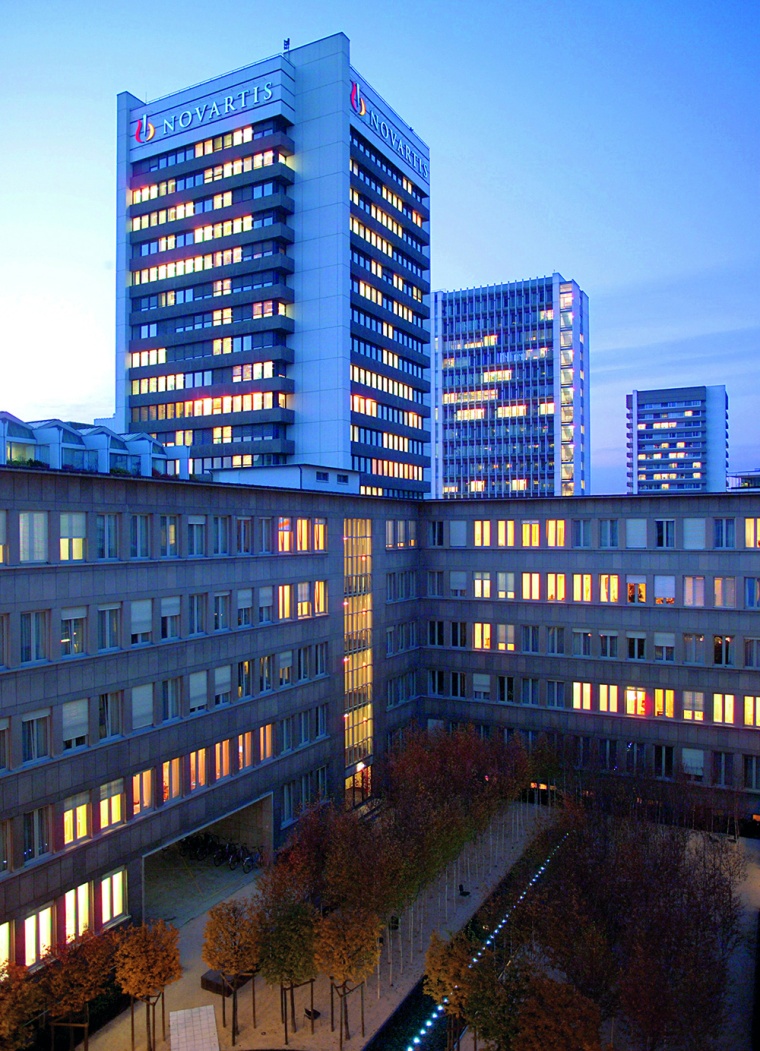
Drugmaker Novartis has announced plans to cut around 2,200 jobs in Switzerland and exit its site in Grimsby, UK, as it transforms its global manufacturing network and product portfolio.
“This decision has been made alongside broader changes to our business globally and as a result of the changes in our product portfolio which now focuses on more specialized medicines, reflective of today’s changing healthcare needs,” said Haseeb Ahmad, Novartis UK country president. He added that the announcement is not linked to Brexit.
The Grimsby exit, which will be handled in phases through to the end of 2020, will directly affect 395 employees as well as some additional contractors.
In Switzerland, the company will cull some 1,500 positions from production sites in Basel, Stein, Locarno and Schweizerhalle, and terminate another 700 jobs from its Swiss business service operations as it transfers positions elsewhere.
Novartis could, however, potentially create 450 new jobs in Stein, where it plans to build a production facility for cell and gene therapies.
The drugmaker has already announced adjustments at its manufacturing units in Japan, the US, and other countries as part of its strategy announced in 2016 that places an increased emphasis on specialized and personalized medicines over high-volume products, such as those made in Grimsby.