28.07.2021 • News
LyondellBasell Takes Over PolyPacific Polymers
LyondellBasell has taken over 100% of PolyPacific Polymers (PPM), a compounder based at Port Klang, Malaysia. The Malaysian production facility, which has capacity to produce 25,000 t/y of reinforced and modified polyolefin compounds, will be rebranded as LyondellBasell. All employees will transfer.
Simultaneously, the Rotterdam-based, Houston, Texas, USA-managed polyolefins giant has agreed to sell its 50% share in Australian PP compounder PolyPacific, parent company of the polymer producer, to co-owner Mirlex. The Australian private equity investor will then wholly own this company.
The compounding operation that once belonged to BASF was acquired by Mirlex and Basell, the latter a predecessor of LyondellBasell, in 2001. At the time, Basell was a joint venture between BASF and Shell based at Rotterdam. Basell merged with Lyondell at the end of 2007. Before the merger, the company belonged to Access Industries, private equity vehicle of Len Blavatnik.
Author: Dede Williams, Freelance Journalist
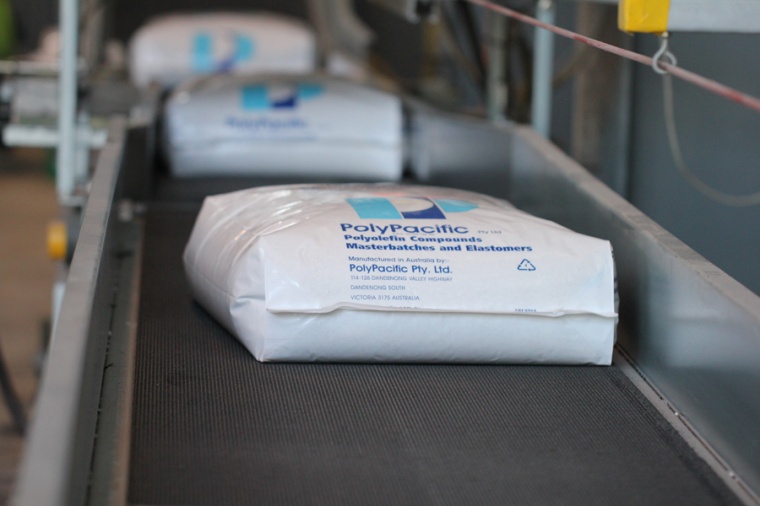
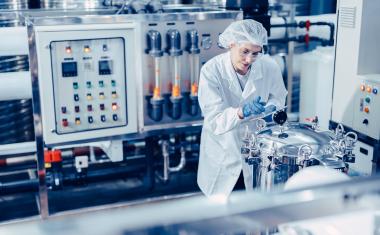
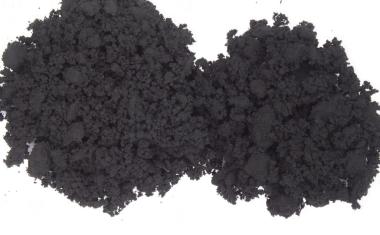
LyondellBasell has taken over 100% of PolyPacific Polymers (PPM), a compounder based at Port Klang, Malaysia. The production facility, which can make 25,000 t/y of reinforced and modified polyolefin compounds, will be rebranded as LyondellBasell. All employees will transfer. (c) PolyPacific Polymers