Lanxess Expands Capacities for High-Tech Plastics in China
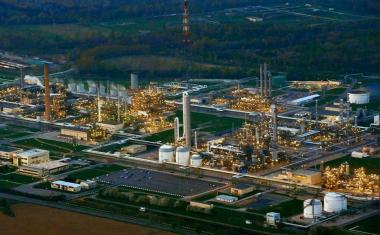
Lanxess said it will expand capacities at its plant for high-tech plastics in Wuxi, China. The German specialty chemicals company will invest in a third production line at the plant, which will increase compounding capacities by nearly 50% and is scheduled to go on stream mid-2011. After the expansion, the plant will have a capacity of approximately 60,000 mt/y.
“This investment will serve the growing demand from Chinese and Asian customers for premium, high-performance engineering plastics, mainly driven by the booming automotive industry,” said Axel C. Heitmann, Lanxess chairman of the board of management. He added that Lanxess was considering further investments in Wuxi in the near future.
Increased domestic consumption and the growing purchasing power of China’s burgeoning middle class are currently supporting the growth path of the Chinese economy. The mega-trends of mobility and urbanization are key pillars of this growth. As segments of the population shift from rural to urban areas, the result is a greater demand for automobiles and modern urban housing. As a result of this rapid development, China is now the world’s largest automotive market with unit sales projected to rise by 8% to more than 14 million vehicles in 2010. This has led to a significant increase in demand for Lanxess engineering plastics and high-performance rubbers.