Evonik Oxeno Relys on AI-Based Process Optimization
Evonik Oxeno is using AI-based process models for the first time in ongoing plant operations, thereby achieving greater energy efficiency and lower CO₂ emissions. In addition, decisions can be made more quickly when raw material flows change.
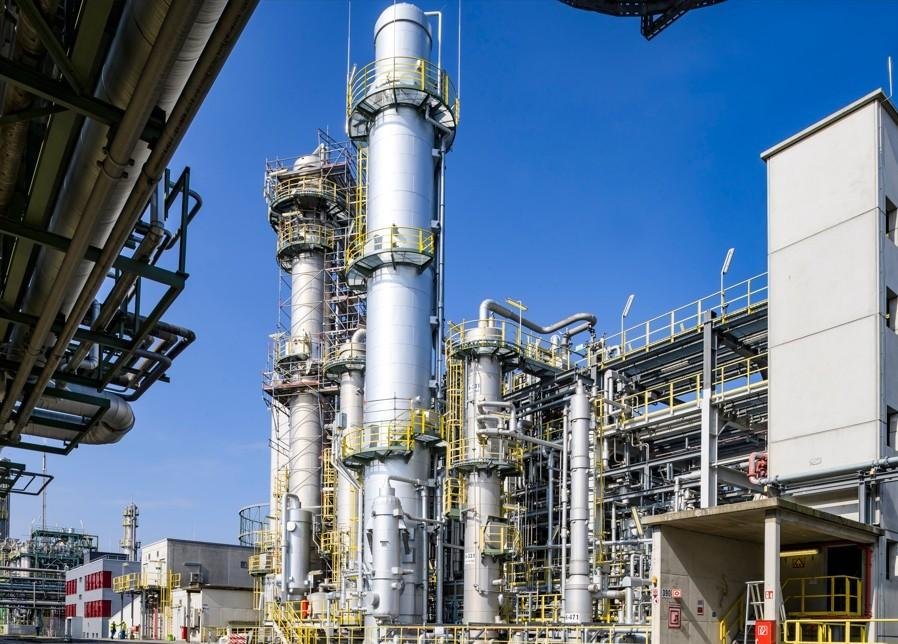
The models were developed as part of the “Compas” project (Control and Optimization using AI Models for Process Advancement and Cost Saving).
Not all processes inside a chemical production plant can be directly observed, and the most efficient way to operate a production plant depends on numerous factors. Traditional process simulations can provide valuable insights, but they are complex and time-consuming. The Compas team has therefore developed an approach based on pre-calculated data. Over one million simulations of the process plant’s states form the basis for so-called gray-box models, which describe the plant’s thermodynamics and kinetics using specially programmed and trained AI models. In this way, Compas can access an extensive database of previously calculated scenarios and use them to generate realistic recommendations for plant control within seconds.
“We combine our many years of expertise in chemical processes with the capabilities of artificial intelligence. This allows us to make complex process simulations directly applicable to plant operations and to support the most efficient control strategy possible, even under changing operating conditions,” says Niklas Paul, Head of Engineering at Evonik Oxeno.
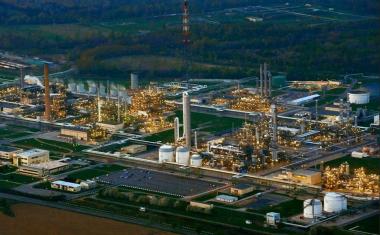
The technology is already being used in ongoing operations at the Marl and Antwerp sites. Applications to date show a very good match between the model and actual operating data, thereby enabling the optimization of plant operating modes. This minimizes the energy required to produce a product, which has a direct impact on the carbon footprint. Further applications are already being implemented. This includes the automatic transfer of results from the AI-generated models into the plant’s digital control system.
“Compas demonstrates that the knowledge accumulated jointly over many years by operations, engineering, and research, when combined with artificial intelligence, creates new value in process optimization. Based on this technology, we are working step by step toward a C4 complex that will optimize itself in the future,” says Robert Franke, Head of Simulation & Kinetics at Evonik Oxeno.
The project team has also published the Compas methodology and current findings in scientific articles in the journals “Chemie Ingenieur Technik” and “Chemical Engineering & Technology.” The approach is not limited to the applications used so far at Evonik Oxeno. The methodology offers potential for application to other chemical and petrochemical production processes. The project team is working to expand the range of applications for Compas and is seeking patent protection for the technology.