Concerns about Bayer’s Chloroquine Donation
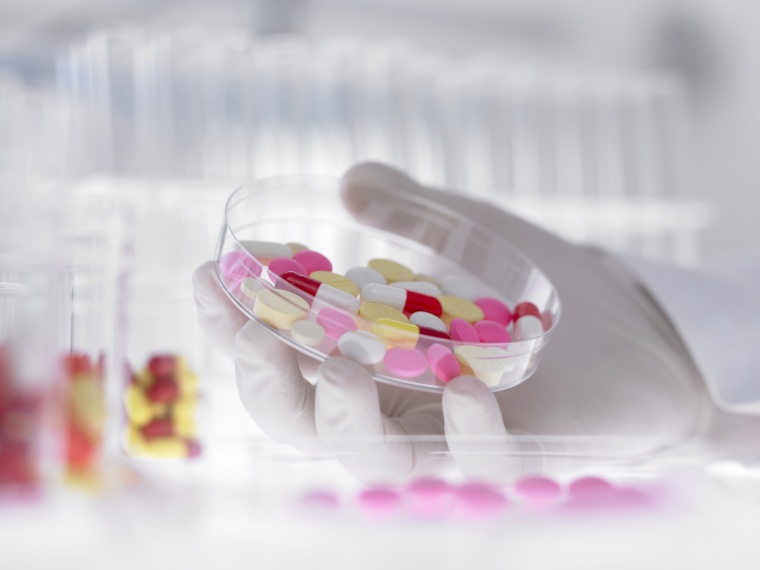
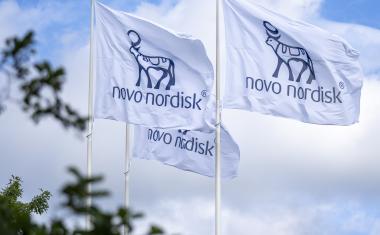
The first international pharmaceutical company to offer free supplies of the malaria treatment hydroxychloroquine to the US government after President Donald Trump praised the drug as a potential COVID-19 treatment, Bayer’s donation of three million donated doses has come under scrutiny.
Reports from the US suggested that there have been quality concerns about the German group’s shipment, as the drugs were produced at facilities that didn't meet the FDA's quality standards.
Batches of the now generic malaria treatment developed by Bayer in the 1930s and marketed by it as Resochin were sourced from plants in India and in Karachi, Pakistan, sources told the Reuters news agency. And unlike the products donated by some other drugmakers, Resochin is not approved by the FDA even as an antimalarial.
The Bayer plant at Karachi is said to have been cited by the FDA for "gross failure" in its manufacturing processes, while the Resochin plant in India operated by Ipca Laboratories has not been evaluated by the FDA. At other of its facilities, Ipca reportedly was accused of data manipulation.
Despite the concerns, the FDA in March, reacting to the demand surge that followed the president’s “recommendation” of the malaria drug to treat the coronavirus, lifted its five-year-ban on exports to the US from Ipca facilities so the company could supply hydroxychloroquine sulfate and chloroquine phosphate APls, along with hydroxychloroquine sulfate tablets, to the US.
The US market is now running short of hydroxychloroquine, due to Trump’s campaign. Other than the drugs donated by Bayer and other drugmkers including Sandoz, Mylan, Teva and Sanofi, all of the US supply comes from Ipca and Indian compatriot Natco Pharma, according to Reuters.
In the wake of limitations on API supply during the COVID-19 outbreak in China, India said recently it was working on a plan to ramp up its own production to challenge Chinese dominance in the market. Around 70% of India's imports of APIs reportedly come from China.