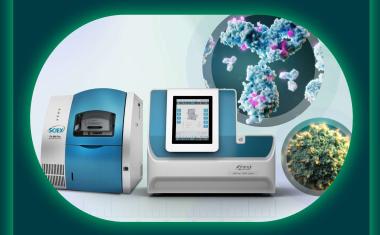
China Develops new HIV Drug
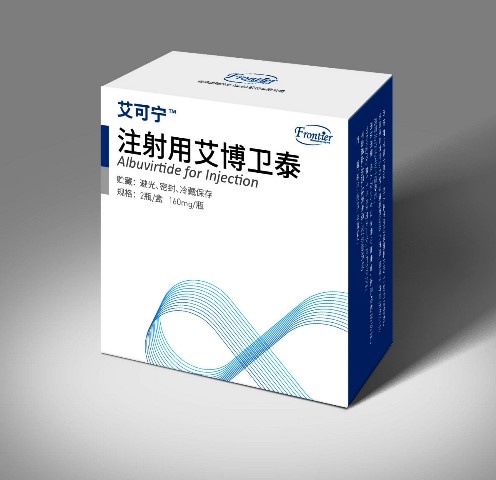
Albuvirtide, a new drug developed by Frontier Biotechnologies in China, is claimed to be the world's first long-acting fusion inhibitor for HIV. It works by blocking the fusion between the virus and the host cell membranes, interrupting the virus's life cycle before it has begun to do harm.
What makes this treatment more attractive to patients, Chinese reports said, is that unlike many other drugs on the market it has to be injected only once a week. According to the Xinhua news agency, Albuvirtide also has been shown to have fewer side effects, particularly on the liver, compared to current treatments in China.
All HIV treatments available in the People’s Republic are imported or generic, and patients typically take a daily cocktail of pills. Xie Dong, chief scientist and former head of Frontier Biotechnologies, told Xinhua that China's first domestically developed HIV drug offers patients a new treatment option. “We hope to dispel the fact that China has not developed good anti-AIDS medicine,” he added.
While the new drug is expected to improve patient compliance, reduce costs and improve patient quality of life, Pend Xiaohui, a sexologist at Central China Normal University, told the newspaper Global Times that patients will have to overcome the psychological obstacle of injecting the medicine on their own, or have a doctor do it for them.