BP Launches Low-Carbon and Carbon-Neutral PTA
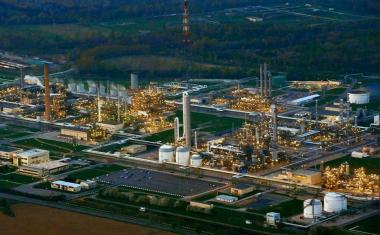
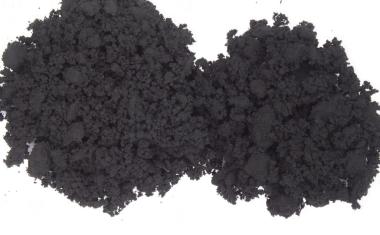
Through a combination of technology and carbon management expertise, UK oil and petrochemical major BP has launched PTAir, a new low-carbon and carbon-neutral PTA. PTAir is claimed to have a 29% lower global warming potential compared with the average European production, thanks to the use of BP’s proprietary PX and PTA technology. The brand comprises three different products said to offer a more sustainable solution for the polyester chain.
Already available in Europe, the new PTA specialty will be rolled out in the US and Asia in due course. BP also plans to launch PTAir-Neutral, the world’s first certified carbon-neutral PTA. This product, it said, has significant carbon reduction benefits allowing users to offset their entire production footprint to achieve a net zero carbon position.
Luis Sierra, CEO of BP Aromatics, said PTAir fits seamlessly into the current supply chain as a “drop-in” substitute for higher-carbon, conventional PTA. “Moreover it allows our customers to economically achieve a meaningful carbon footprint reduction using a raw material whose eco-profile has been independently measured and verified by respected environmental consultants,” he added.
BP said PTAir’s low-carbon benefit has been independently assured by global services company Environmental Resources Management.