Asahi Kasei Makes Its Carbon Footprint in Acrylonitrile Production Transparent
Tongsuh Petrochemical, the South Korean subsidiary of Asahi Kasei, has received verification at the “Reasonable Assurance” assurance level for the Product Carbon Footprint (PCF) of acrylonitrile.
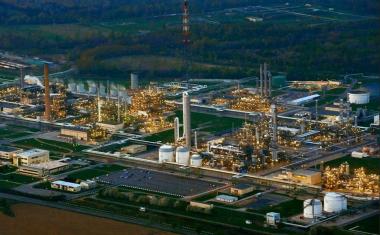
The verification is based on a comprehensive audit of the production facility in Ulsan, South Korea, as well as the underlying data, processes, and documentation. It provides a high degree of certainty and meets growing customer demand for independent and verified information on the carbon footprint of products.
The audit was conducted by Socotec Certification Japan. It reviewed the methodology, the underlying data sources, and the reporting process used to calculate the PCF for acrylonitrile in fiscal year 2025 across the entire value chain, from raw material procurement to production. Acrylonitrile is an important chemical intermediate used in numerous applications, including ABS plastics, acrylamide, acrylic fibers, and precursors for carbon fibers. The “Reasonable Assurance” verification confirms the high quality, reliability, and credibility of the calculated carbon footprint data and goes beyond the requirements of a “Limited Assurance” audit.
Tongsuh Petrochemical has been working to reduce the CO₂ footprint of its production for several years. As early as 2021, the company received ISCC PLUS certification, a globally recognized sustainability certification system for the traceability of bio-based and circular raw materials. Since 2022, the company has been producing and marketing acrylonitrile based on bio-based propylene using the mass balance method.
The Japanese parent company, Asahi Kasei, will reduce greenhouse gas emissions associated with acrylonitrile production through the continuous development of its own catalyst and production technologies. In addition, the company has further expanded its use of bio-based raw materials. Through these measures, Asahi Kasei aims to further increase the value it provides to its customers by combining low-carbon materials with highly reliable environmental data. At the same time, the company seeks to strengthen its position as a global sustainability partner for industries driving the decarbonization of their supply chains.