

The Successful Lab of The Future Requires Digital Transformation
To meet the demands of accelerated discovery; accurate, reproducible results; and higher throughput, digital transformation is becoming a when, not an if, for chemistry labs. AI is generating exponentially growing volumes of data, robotics implementation is transitioning from “perhaps we’ll have them one day” to day-to-day reality, and all this needs to be managed to meet challenges instead of having it bury the lab.
Eynav Haltzi, Cenevo
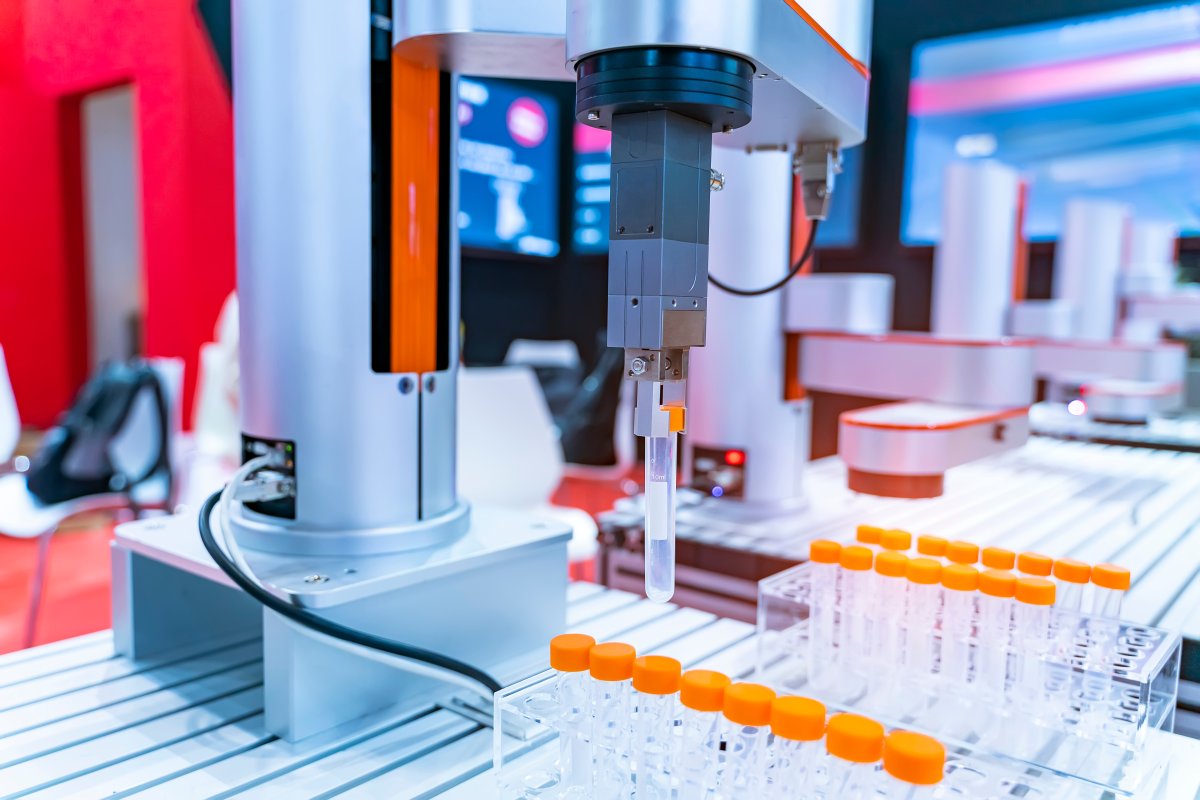
To meet the demands of accelerated discovery; accurate, reproducible results; and higher throughput, digital transformation is becoming a when, not an if, for chemistry labs. AI is generating exponentially growing volumes of data, robotics implementation is transitioning from “perhaps we’ll have them one day” to day-to-day reality, and all this needs to be managed to meet challenges instead of having it bury the lab.
Cenevo (then Titian Software and Labguru) surveyed more than 155 lab management professionals, who enumerated their major issues as follows:
AI adoption within the R&D process is actually secondary to focusing on the most basic of lab management challenges – inventory management. 65% of respondents said supply and reagent management is the first technology that they want to fully implement.
More than half said that data management and overload was a major issue that needed to be addressed. High-throughput experiments, supplemented with AI, are generating more data than their labs can currently handle.
Smarter, faster science requires increasing automation (77% of respondents) and adopting AI/machine learning (ML) (75%).
Digitization is only somewhat in place. Only 15% are fully digitized, and half still have manual processes. Smaller organizations and academia fall into the early stages, while many of the large pharma/biotech companies are already well into the process.
Getting the Lab in Order
Automation is the first step toward streamlining lab operations. It’s the best way to reduce manual work while strengthening compliance.
Even in the biggest manufacturing or pharma chem labs, resources aren’t infinite. Implementing a smart scheduling tool makes it easier to prioritize equipment access and even priorities for lab personnel. When combined with AI/ML, these smart tools can analyze performance data to generate preventative maintenance alerts and adjust schedules when downtime is necessary or if parallel tests can be run on other equipment to take up the slack.
Continue with login
No account yet?
Register now for free and get full access to all exclusive articles from chemanager-online.com. With our newsletter we regularly send you top news from the chemistry industry as well as the latest e-issue.
RegisterCompany
Cenevo18/19 Bickels Yard, 151-153 Bermondsey Street
SE1 3HA London
UK



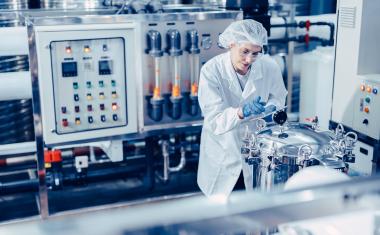

most read

US Tariffs Fatal for European Pharma
Trump's tariff policy is a considerable burden and a break with previous practice.

ECA Foundation Aims to Become Largest Pharma Association for GMP/GDP Compliance
The ECA Foundation, one of the most important not-for-profit organizations for regulatory expertise in the pharmaceutical industry, aims to become the largest independent GMP/GDP organization in the world.
Pharma 4.0—the Key Enabler for Successful Digital Transformation in Pharma
Part 3: Seven Theses for successful Digitalization in Pharma
Lead or Lag: Europe’s AI Materials Race
How AI and Robotics are reshaping the race for materials discovery.
Pharma 4.0 – the Key Enabler for Successful Digital Transformation in Pharma
Part 1: Building a Business Case for Pharma 4.0