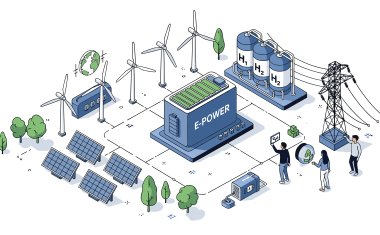
The Era of Fossil Fuels Must Come to an End
The use of fossil fuels harms the climate, is finite, and
unreliable, creates dangerous dependencies, and leads to
unpredictable price fluctuations. Moreover, it has no future.
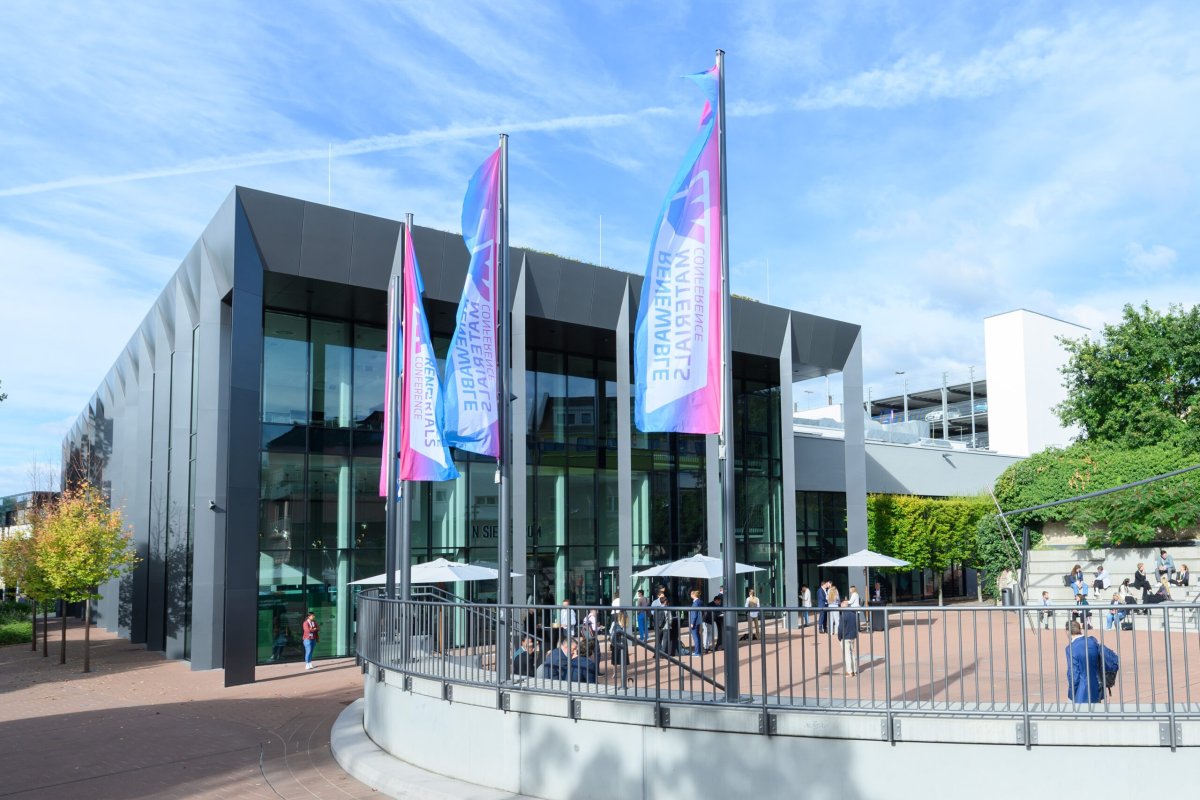
The Renewable Materials Conference (RMC), organized by the Nova Institute and taking place September 22–24, 2026, in Siegburg near Cologne, will focus on the question of what “renewable carbon” means and why the chemical and plastics industries need different paths to climate neutrality than the energy sector.
While solar and wind energy, batteries, and hydrogen can replace fossil fuels, carbon remains an indispensable component in many everyday products. However, it does not have to come from fossil sources.
Replacing fossil carbon with renewable carbon derived from biomass, CO₂, or recycling is referred to as “defossilization.” Together with the decarbonization of the energy sector, it is central to a climate-neutral circular economy.
Many relevant technologies, chemicals, and materials are already available or under development. Rapid scaling of these technologies requires an innovation-friendly policy framework. The RMC provides an international meeting place for stakeholders from the chemical and plastics industries, brand companies, startups, investors, and policymakers.
Under this year’s theme, “Defossilization through Innovation,” the conference offers a platform for expert presentations and discussions on the defossilization of the chemical industry, fossil-free plastics, and the policy framework for renewable carbon and biodegradability.
The final program can be found here.