CPhI 2014 Experts Statements: Kurt Hoeprich, Business Manager, Custom Services, Albemarle

1. What roles do contract research organizations (CROs) and contract manufacturing organizations (CMOs) play in the drug discovery/development value chain today, and how will their role change in the future?
We believe one of the most significant roles leading cGMP-compliant CROs/CMOs play in the value chain today is enabling increased speed to market. This is achieved by efficiently conducting the extensive range of activities required for API development and manufacturing (e.g., analytical and process development, scale-up, CMC document preparation), while adhering to cGMPs - current good manufacturing practices. Ultimately, this saves drug developers' and marketers' time compared with conducting these activities in-house, as was historically done.
2. How have the requirements by pharma companies changed over the years, and how can suppliers manage to live up to them?
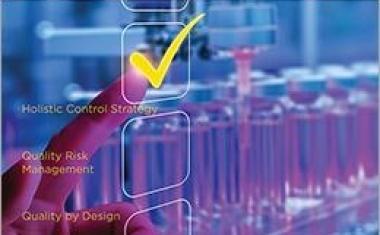
Many pharma companies have reduced or eliminated their API process development and manufacturing capabilities, so CROs/CMOs have had to expand capabilities to handle this demand. Concurrently with addressing this increased demand, CROs/CMOs must ensure they stay abreast of increasingly stringent cGMP requirements. One area Albemarle has focused on is utilization of Quality by Design (QbD) for all API process validations, including Design of Experiments (DoE) methodology, to fully understand the process design practice. We have found this approach is required by regulatory authorities and is critical for progressing an API through the regulatory approval process.
3. Which new business models, like project-based or value-based outsourcing, could turn out to be the most promising guarantors for a successful cooperation with the pharmaceutical industry?
At Albemarle, we utilize fee-for-service, project-based and value-based approaches with our customers. In the value-based area, we have found obtaining a royalty on net product sales from our customer's marketed product can be an attractive way to share risk in earlier stages of development.
4. The establishment of shared risk/shared reward partnerships has increased significantly. Can these partnerships accelerate drug discovery and fill up the innovation pipelines?
We believe shared risk/reward partnerships can play a role in enabling therapies to progress that might not have otherwise due to risk and/or cost.