Chemical Industry in Italy
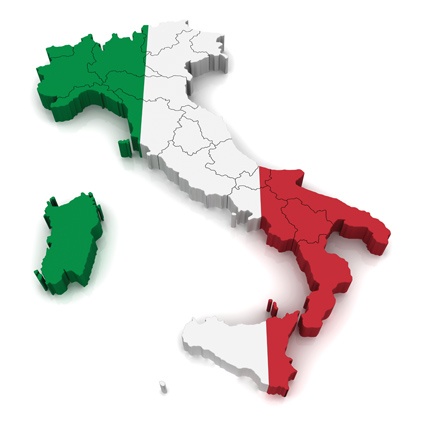
Italy - with a turnover of about €53 billion in 2011 - represents the third main producer of chemicals in Europe. Being a country with a strong industrial basis, Italy represents a large market for chemicals accounting for more than €64 billion. For many products Italian market ranks even second in Europe. Foreign-owned companies that choose Italy as their strategic basis to manage operations in Southern Europe take advantage of the country's position in the center of the Mediterranean.
The Italian chemical industry is concentrated in the North of the country, close to downstream European markets and local customer companies. SMEs play a very important role in many European countries but their presence is particularly important in Italy where they account for 39% of the total value of production. There are about 200 foreign-owned chemical companies producing in Italy, representing about 37% of the whole Italian chemical production value.
Recently a survey conducted by the Italian Federation of Chemical Industry Association (Federchimica) among top managers of major foreign chemical companies with local production, identified the quality of human resources, the market size and quality of its customers, the quality and reliability of equipment suppliers, and the infrastructure for innovation and research as the key strengths of the Italian industry.