

Aligning Artificial Intelligence and Laboratory Execution in Drug Discovery
From In Silico Design to In Vitro Impact
Yann Gaston-Mathé, Iktos
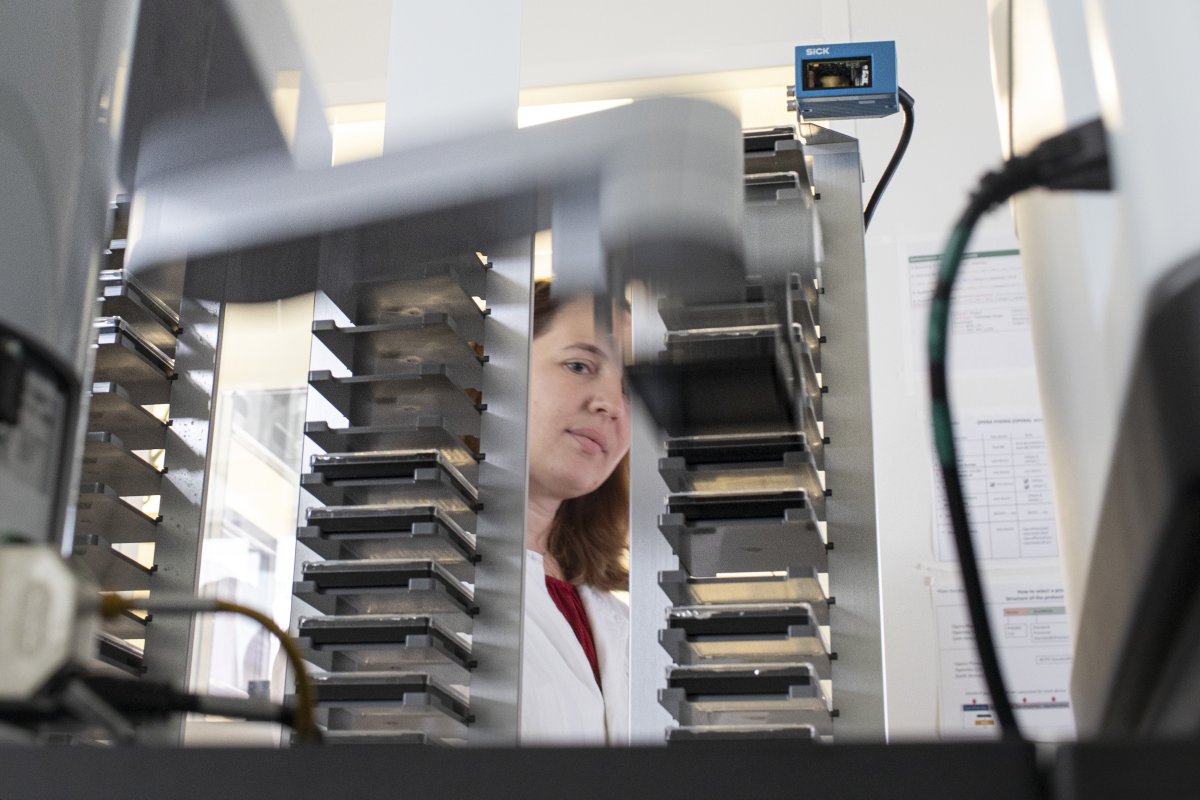
Artificial intelligence is transforming molecular design, but synthesis remains the limiting step in drug discovery. To translate computational advances into real productivity gains, organizations must better align digital design with laboratory execution. AI-driven orchestration provides a practical framework to coordinate design, synthesis, and testing within existing R&D infrastructures, accelerating the transition from in silico hypotheses to in vitro validation and improving the productivity of the DMTA cycle.
The Acceleration Paradox
Artificial intelligence is reshaping how molecules are conceived. Generative models can now explore vast regions of chemical space, proposing and optimizing candidate structures with unprecedented speed.
Continue with login
No account yet?
Register now for free and get full access to all exclusive articles from chemanager-online.com. With our newsletter we regularly send you top news from the chemistry industry as well as the latest e-issue.
Register



most read

US Tariffs Fatal for European Pharma
Trump's tariff policy is a considerable burden and a break with previous practice.

Q1 2025 Chemical Industry: Diverging Trends
The first quarter of 2025 highlights a continued divergence between the European and US chemical industries.

Lead or Lag: Europe’s AI Materials Race
How AI and Robotics are reshaping the race for materials discovery.

ISPE Good Practice Guide: Validation 4.0
The Validation 4.0 Guide provides a comprehensive approach to ensuring product quality and patient safety throughout a pharmaceutical product's lifecycle.

Relocation of Chemicals Production Footprint in Full Swing
A new Horváth study based on interviews with CxOs of Europe’s top chemical corporations reveals: The majority of board members expects no or only weak growth for the current year.