Verdisol – Turning Organic Waste into Regenerative Soil Solutions
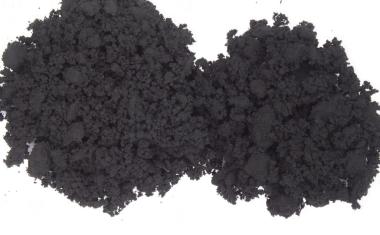
Verdisol, an emerging start-up in the United Arab Emirates (UAE), converts local organic waste into nanocellulose, providing an innovative soil amendment that elevates agricultural productivity.
When mixed with soil, the nanocellulose enhances water and nutrient retention, improving the efficiency of fertilizers and irrigation – a vital advantage in arid regions where these resources are scarce. Verdisol’s production process uses little to no chemicals (depending on the resource and desired product purity), lowering its carbon footprint and promoting a circular economy. Moreover, by developing a more cost-effective method of extracting nanocellulose, Verdisol paves the way for its use beyond agriculture, including in the medical and cosmetics industries.
For these reasons, Verdisol has been chosen as one of the ISC3 Innovation Challenge finalists 2025 and now featured by the International Sustainable Chemistry Collaborative Centre as the ISC3 Start-up of the Month for November 2025.
When mixed with soil, nanocellulose acts as an inseparable component that holds nutrients from fertilizers and moisture from irrigation for longer periods, retaining water several times its own volume. Verdisol’s method reduces the environmental burden associated with landfilling or incinerating plant waste. In contrast, conventional nanocellulose is typically produced from fresh wood, which necessitates harvesting new biomass.
Verdisol has developed a way to produce this remarkable material at a much lower cost, while maintaining similar quality to commercially available alternatives. This advancement aligns perfectly with current global trends: as industries shift toward digital interactions and paper consumption declines, paper mills are seeking new, high-value applications — and nanocellulose offers a promising path forward.
While Verdisol is currently focusing on agricultural applications, the team envisions broader uses. Once isolated, nanocellulose fibers can serve in a diverse range of industries, depending on the required purity — from agriculture and textiles to cosmetics, medicine, and even bioelectronics. This innovation not only enhances sustainable agriculture in dry regions but also paves the way for natural, renewable alternatives across multiple sectors.
The whole success story of the ISC3 Start-up of the Month in November 2025 is currently told by the ISC3 on its website at Verdisol (isc3.org).
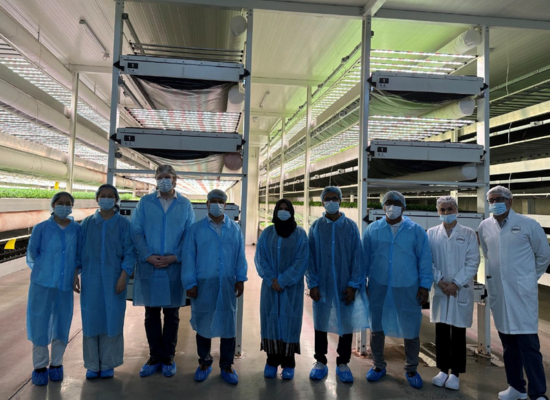
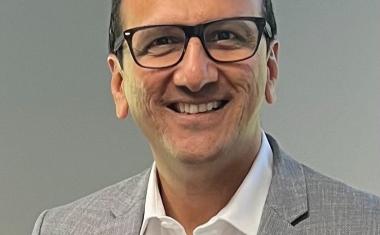
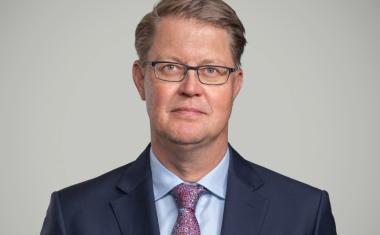
Three questions for M-Haidar A. Dali (Co-founder & COO of Verdisol):
What led to your solution in Sustainable Chemistry?
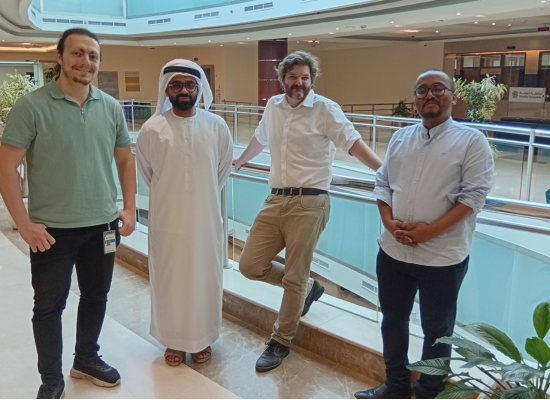
M-Haidar A. Dali: Our team comes from various backgrounds, but we all share a mindset for sustainability and a drive to develop products that contribute to a circular economy. Before I started my research on this topic, I was experimenting with composting and zero-waste practices at home, and I wanted to find ways to make the best use of materials that would otherwise end up as trash. That personal interest evolved into research and eventually into Verdisol.
What does being chosen as ISC3 Innovation Challenge finalist and ISC3 Start-up of the Month mean to you?
M-H. A. Dali: It means a lot to us. It recognizes our efforts and validates the importance of what we are doing. This acknowledgment motivates us to continue improving and scaling our impact.
What’s next up at Verdisol?
M-H. A. Dali: Our current focus is scaling up production and diversifying into new products and applications. We are also working on strengthening our partnerships with agricultural organizations and research institutions to accelerate adoption and validation.
Company