Trump Withdraws US from Pacific Trade Pact Talks
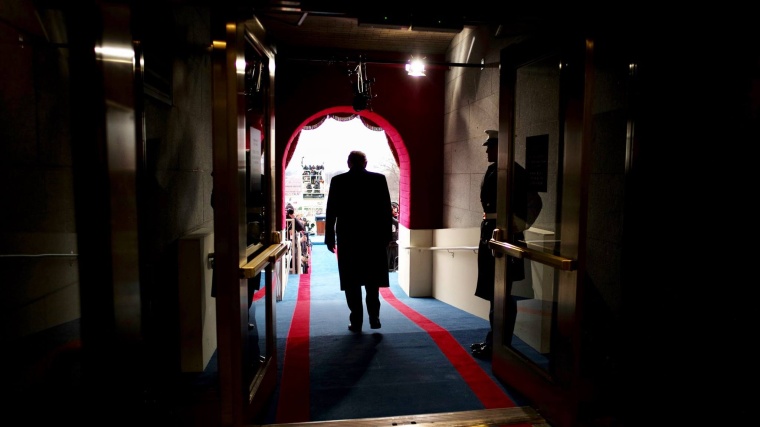
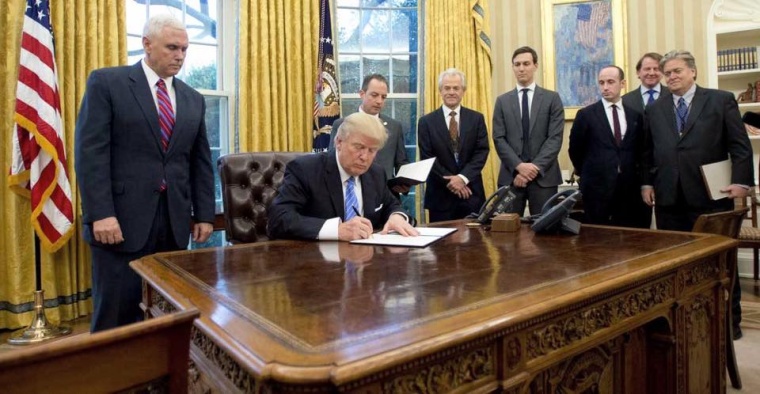
On his first official business day as newly elected US President, Donald Trump signed his first executive order, withdrawing the country from negotiations over the Trans-Pacific Partnership (TPP) and thus fulfilling a pledge made during the election campaign.
Days before Trump was sworn in as 45th president of the United States on Jan. 20, the American Chamber of Commerce in Germany (AmCham), commenting on the change of guard, called several times for the continuation of a fair, open, constructive dialog, adding that the business organization itself would working to further strengthening transatlantic ties.
“Open and constructive” talks with the new president’s cabinet have already begun, said AmCham President Bernd Matthes, while urging the new administration in Washington to pursue an “open and forward-looking” economic policy, without resorting to protectionist measures such as extreme tariffs on imported goods or withdrawal from negotiations about international trade agreements.
Moves toward dismantling trade agreements, as hinted at during the election campaign, “have no place,” as 95% of the world’s population lives outside the US, Mattes stressed, while cautioning the new president to adapt his campaign promises to the political reality.
In an interview with the German newspaper Frankfurter Allgemeine Zeitung (FAZ) shortly before Trump’s inauguration, AmCham’s new general manager, Evelin Metzen, said she did not believe he would quit the stalled talks over the Transatlantic Trade and Investment Partnership, TTIP. In the run-up to the election, all presidential candidates, including former secretary of state, Hillary Clinton, and Senator Bernie Sanders, criticized the proposed agreement.
Germany is the most important trading partner of the US and absorbs much of American investment abroad. Some 2,200 US-owned companies with 600,000 employees are registered in the country. The US is the largest importer of German-made goods and the 3,500 US subsidiaries of German companies doing business employ 620,000 people.
Trump has threatened to slap punitive duties of 35% in particular on US-based automobile manufacturers who move plants abroad and on foreign imports. This would hit the German economy hard. At the same time, critics of the proposals have warned that duties on parts made abroad by automotive OEMs could cripple the US auto industry.



most read
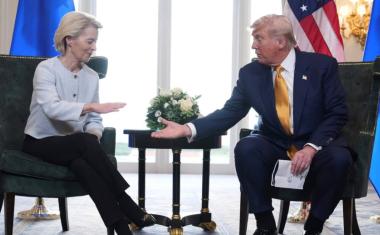
VCI Welcomes US-EU Customs Deal
The German Chemical Industry Association (VCI) welcomes the fact that Ursula von der Leyen, President of the European Commission, and US President Donald Trump have averted the danger of a trade war for the time being.
Novo Nordisk to Cut 9,000 Jobs Globally in Major Restructuring
Novo Nordisk announced a global workforce reduction of approximately 9,000 positions to streamline operations and reinvest DKK 8 billion (€1 billion) in growth opportunities for diabetes and obesity treatments.
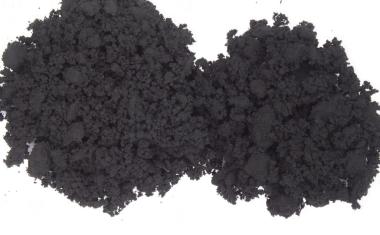
Orion Announced Plans to Shut Down Carbon Black Plants
Carbon black manufacturer Orion Engineered Carbons plans to rationalize production lines in North and South America and EMEA.
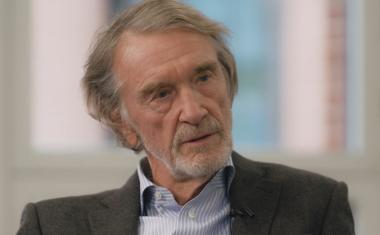
Ratcliffe: Chemical Industry in Europe at a Tipping Point
Ineos CEO Ineos calls on European politicians to save the chemical industry.