Thermo Fisher Completes Expansion at Grand Island
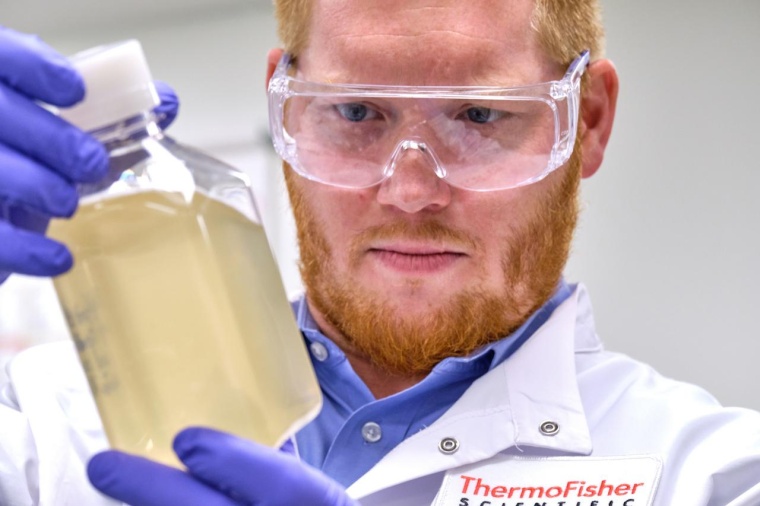
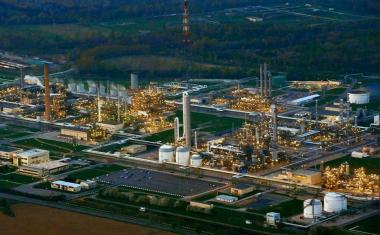
Thermo Fisher Scientific has completed the planned expansion of its US dry powder media manufacturing capacity in Grand Island, New York, which it said is designed to meet increasing global demand for cell culture media used in the manufacturing of new vaccines and biologics.
The $76 million expansion is part of the company’s $650 million investment announced in 2021 to provide flexible, scalable and reliable bioprocessing production capacity that it can fall back on for urgently needed medicines, including Covid-19 vaccines.
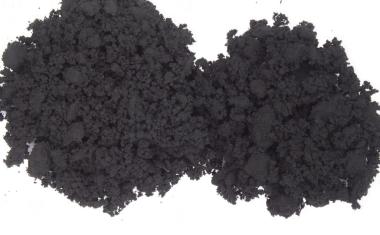
With the additional space, Thermo Fisher said it will be able to lift capacity and improve reliability of its production assets, in particular for its Advanced Granulation Technology (AGT) format and other AOF Dry Powder Media (DPM).
The overhaul also enhances support for biopharmaceutical manufacturers, biotechnology developers and CDMOs in the fields of innovative biologics, biosimilars, cell therapies and viral vectors, the company added.
At the same time, the upgrade will add around 100 employees in R&D, operations, manufacturing, Human Resources, engineering and maintenance. Thermo Fisher currently employs more than 1,600 people at the Grand Island site and over 3,000 people in the state of New York.
Kate Torchilin, president, biologicals and chemical, said the expansion of the Grand Island site “represents a significant milestone in our investment to double our total manufacturing capacity by the end of 2023.”
Author: Dede Williams, Freelance Journalist