Synvina’s PEF Bioplastic Approved for Recycling
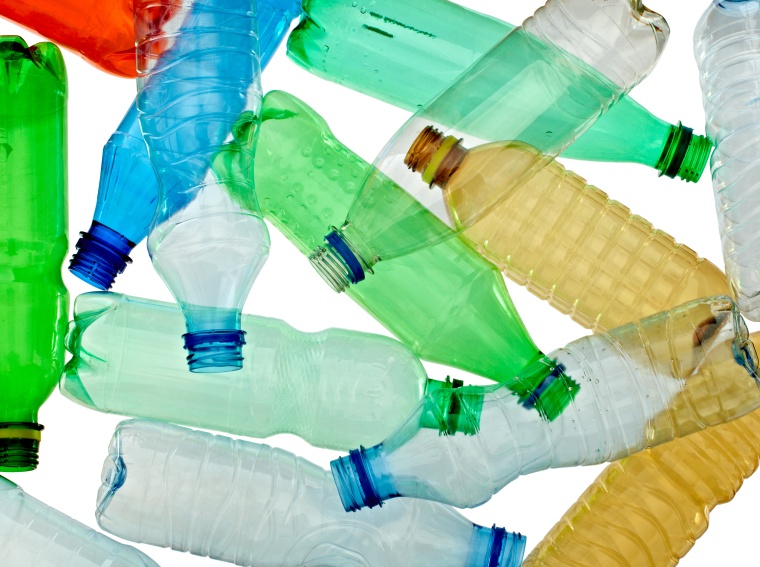
The European PET Bottle Platform (EPBP) has granted interim approval to the recyclability of polyethylenefuranoate (PEF) produced by Synvina, the BASF/Avantium joint venture. The assessment means that PEF bottles can be disposed through existing recovery systems across Europe in the same way as those made from conventional material PET. Synvina said the approval was a major step towards integrating packaging made from PEF in the circular economy.
The interim approval applies to a PEF market penetration of up to 2%. This corresponds to the amount of the bioplastic that could be produced from Synvina’s proposed 50,000 t/y plant for furandicarboxylic acid (FDCA), the feedstock for PEF. A start-up date for this plant, which will be built at BASF’s site in Antwerp, Belgium, has not been disclosed. The company already operates a pilot FDCA plant in Geleen, the Netherlands.
In the medium term, however, Synvina expects PEF quantities in the European packaging market to exceed the 2% market share. As a result, the Amsterdam-headquartered company is working with recyclers and brand owners to develop a dedicated recycling stream for PEF-based bottles to separate the PEF from conventional plastics.
The company added that PEF recycling in other markets such as the US and Japan will be reviewed in the near term.