Styron to Permanently Close Texas PC Plant
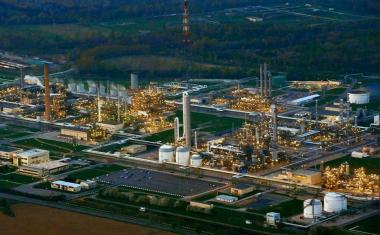
US styrenics producer Styron, alternately known as Trinseo, has said it plans to close its only North American polycarbonate plant, at Freeport, Texas, by the end of 2014 and exit the market.
The plant with a capacity of around 100,000 t/y officially belongs to the company's former parent Dow Chemical. The former Dow styrenics unit also produces PC at Stade, Germany, and at Niihama, Japan as part of a joint venture with Sumitomo.
The PC market has been plagued by overcapacity, which has depressed prices and earnings even at leading producers such as Bayer MaterialScience (BMS). Patrick Thomas, CEO of the Bayer offshoot, said earlier this year there were signs that some of the smaller players were planning to quit the market.
Styron said it also will convert a nickel butadiene rubber line at Schkopau, Germany, to produce neodymium butadiene rubber. Conversion of the unit also owned by Dow is expected to begin in the next few months and completed by the end of 2015.
Styron said the rubber investment is designed to meet increasing demand for green tires and ultra-high performance tires.