South Africa Seeks to Close Drug Patent Loophole
South Africa plans to overhaul its intellectual property laws to improve access to cheaper medicines by making it harder for pharmaceutical firms to register and roll-over patents for drugs, a senior official said on Monday.
Central to the reforms is closing a loophole known as "ever-greening", whereby drug companies slightly modify an existing drug whose patent is about to expire and then claim it is a new drug, thereby extending its patent protection and their profits.
If approved by parliament, the changes should mean cheaper medication for cancer and HIV/AIDS in South Africa, which has one of the world's highest HIV infection rates.
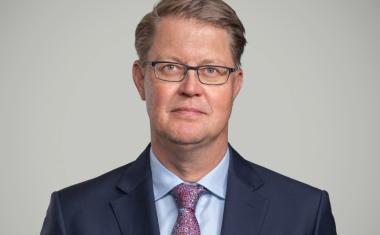
"We have a policy position that says 'Let us have a strong system that will not grant easy patents,'" said MacDonald Netshitenzhe, head of policy at the Department of Trade and Industry.
"Because if you grant easy patents, a weak patent, there will be people that take it a little bit forward and claim an extension on the original patent," he told Reuters.
South Africa's position was supported this month by a ruling from India's top court that dismissed an application by Swiss drugmaker Novartis to win patent protection for its Glivec cancer drug.
Lobby groups such as Doctors Without Borders (MSF) want South Africa to follow India's example and add a specific clause preventing companies from gaining patents on existing drugs, in a move that would help generic drug manufacturers.
"South Africans are missing out on affordable versions of life-saving medicines because generic competition is blocked by frivolous patents that prevent or delay generic competition," Julia Hill of MSF's Access Campaign said in a statement.
As an example, Hill said India had avoided patenting Novartis cancer medication imatinib, as opposed to South Africa, which granted an initial patent in 1993 that only expires this month.
In addition, Hill said South Africa had granted secondary patents on imatinib to extend Novartis' monopoly until 2022, meaning it costs $34,000 a year to treat a patient - 259 times more than the cheapest Indian generic alternative.
Netshitenzhe said South Africa, an emerging economy with pressing public health needs, wanted to improve access to medicines, including generics, and was ready should drug firms come out fighting against the proposed patent law changes.
"They can lobby but nobody will be able to withstand this tsunami of access to medicine," he said.