Solvay Expands US Carbon Fiber Plant
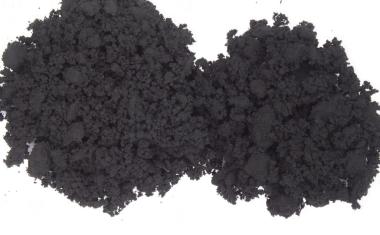
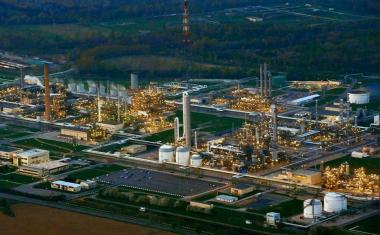
Solvay has inaugurated a new carbon fiber production line at its facility in Piedmont, South Carolina, USA, built to meet increasing demand for lightweight composite materials from the aerospace industry. The expansion has doubled capacity for converting acrylonitrile monomers into standard modulus carbon fibers. These fibers are used to make composites that have been pre-impregnated for use in commercial and military aircraft.
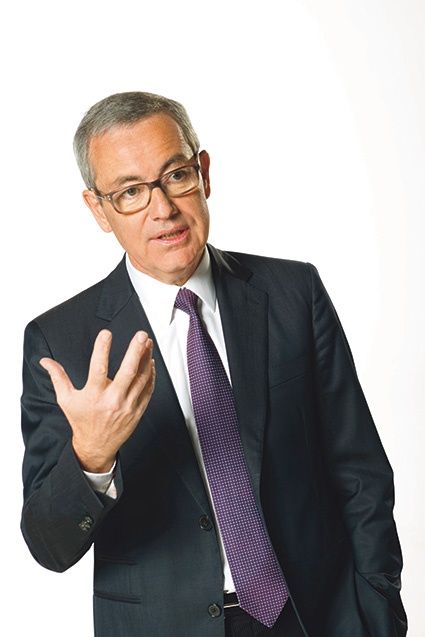
The additional line has been qualified by major aircraft manufacturer Boeing for producing secondary structures such as wing movable flaps and engine nacelles, as well as interior components. Solvay’s CEO, Jean-Pierre Clamadieu, said the additional capacity gives the company greater flexibility to strengthen its growth in innovative composite materials and its industry leading position.
The durability, strength and fatigue life of carbon fiber composites are allowing them to increasingly replace metal in aircraft applications, reducing weight, noise and CO2 emissions as a result. In addition, the ability to mold multiple sub-components into one part can cut assembly costs.