Science Meets Symphony, or: The Soundtrack of Chemistry

What if chemistry could not only solve the problem of plastic waste, but also transform it into a symphony that you could actually hear? This is the question posed by Canadian company Aduro Clean Technologies in its latest marketing campaign. And with its “Chemistry Goes Music” project, it also provides the answer.
At the heart of the launch campaign for Aduro's patented Hydrochemolytic Technology is “The Between” – a musical composition that, according to the company, sounds like science itself. The music embodies the circular economy. It begins harmoniously, transitions into synthetic monotony, and then rises as the technology becomes the conductor orchestrating the transformation. This is audible recycling – waste becomes opportunity, monotony becomes melody.
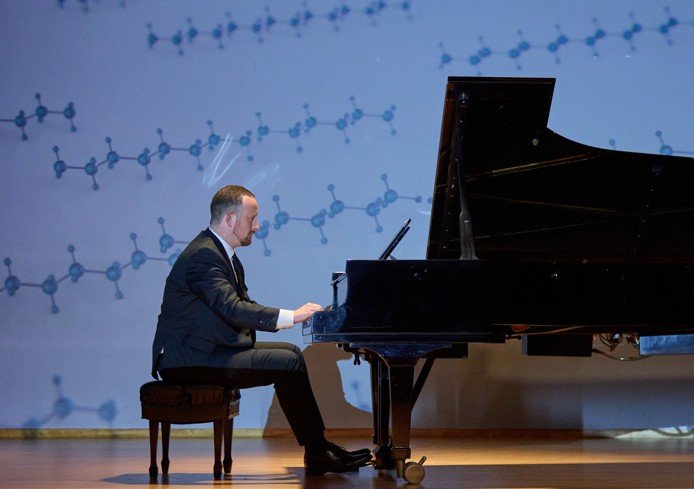
This metaphor is not only poetic, but also practical. In music, a composer arranges notes into harmonies. In chemistry, Aduro does something similar. Hydrochemolytic technology breaks down the long (boring) monotonous “notes” of polymers into smaller, more reactive molecules. These fragments can then be reused as building blocks for new plastics, fuels, and waxes in line with the circular economy.
According to Aduro, 95% of plastic waste can be converted into reusable material using low-energy, water-based processes that cause virtually no waste or pollution. From a technical point of view, the hydrochemolytic process is therefore chemical recycling. But why can't chemistry also generate emotions?