Rotterdam and Japan Firms in Hydrogen Shipping Plan
The Port of Rotterdam Authority and Dutch storage and transportation company Koole Terminals have signed an agreement with Japanese corporations Chiyoda and Mitsubishi to jointly study the feasibility of importing hydrogen long-distance on a commercial scale.
The study, which is expected to last one year, will look at bringing the gas into one of Koole’s terminals in Rotterdam using Chiyoda’s hydrogen storage and transportation technology called SPERA Hydrogen. Mitsubishi will lead commercial development to make the overall hydrogen supply chain commercially viable.
The partners’ goal is to import 100,000 to 200,000 t of hydrogen in 2025 and 300,000 to 400,000 t in 2030.
The Port said northwest Europe will have to import hydrogen on a large scale to achieve net zero CO2 emissions. Consequently, it is looking at ways to set up new hydrogen supply chains from countries where hydrogen can be produced and supplied cost effectively.
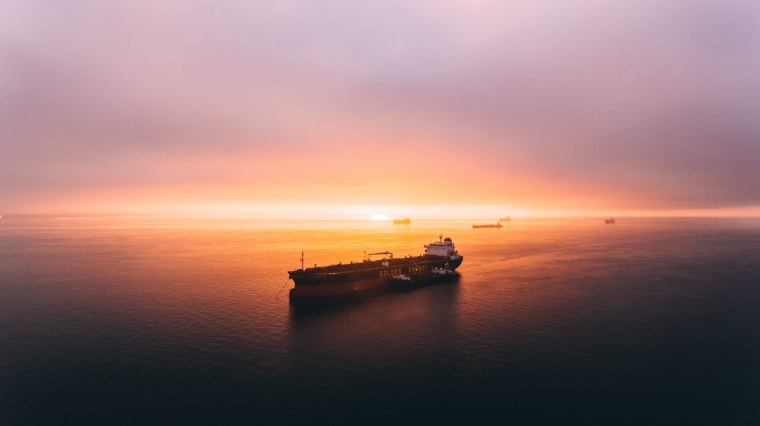
Shipping hydrogen is more challenging than shipping oil or coal. One option is for it to be made liquid by cryogenic process to minus 253 degrees, another is to transform it into a carrier, like ammonia or methanol. A third and final alternative is for the gas to be chemically combined in a liquid organic hydrogen carrier (LOHC), such as methylcyclohexane (MCH).
Chiydoa’s SPERA Hydrogen technology uses MCH to store and transport the gas. MCH is produced from toluene through hydrogenation and maintains a stable liquid state under ambient temperature and pressure. When hydrogen is generated from MCH, the co-produced toluene can be returned to make MCH once again.
Unlike conventional hydrogen storage and transportation systems, LOHC technology can utilize existing infrastructure that is available for storing and delivering large quantities of liquid chemicals.
Together with Nippon Yusen Kabushiki Kaisha, Chiyoda and Mitsubishi successfully completed the world’s first global hydrogen supply chain system on Dec. 25, 2020. The demonstration project transported and stored more than 100 t of hydrogen over 10 months. The companies shipped the gas (as MCH) from Brunei to Japan, and then returned the toluene back to Brunei.
Chiyoda’s aim now is to semi-commercialize the system by the mid-2020s, reducing costs through economies of scale in line with rising demand for hydrogen.
According to the Port Authority, several companies in Rotterdam, such as Koole Terminals, are highly interested in this rapidly developing business and are making plans to adjust their existing facilities and/or build new ones. As well as providing support for the project, the Authority said it will act as a matchmaker for major hydrogen end-users in northwest Europe and competitive overseas hydrogen suppliers.
Koole Terminals will pursue ways to adapt its terminal facilities and support development of onward transport to their end-users. The company operates three terminals at Rotterdam.
Author: Elaine Burridge, Freelance Journalist