

Rôbalôtô – Smart Plastic Waste Management
African start-up Rôbalôtô, based in Togo, has developed an integrated system to manage plastic waste more efficiently and support circular economy by combining technology, recycling, and education.

The company has introduced smart bins in schools that help collect data on the most used types of plastic, enabling tailored waste management solutions for each location. In parallel, Rôbalôtô has created a marketplace where schools can sell collected plastic to recycling companies. Waste management efforts are supported by “environmental clubs” in schools, where students are trained by Rôbalôtô in proper waste sorting and recycling practices.
Beyond collection and sorting, the company also repurposes plastic into “solar bags”− backpacks equipped with a photovoltaic film, a battery, and LED lights. These are designed to provide students in rural areas with access to electricity for studying after dark.
For these reasons, Rôbalôtô, who won the Francophone Africa Prize at the Africa Climate Innovation Challenge (ACIC) 2025, is featured by the International Sustainable Chemistry Collaborative Centre as the ISC3 start-up of the Month for May 2026.
Rôbalôtô’s smart bins are equipped with sensors and an app coupled with a data collection system that helps identify the most used types of plastic, the weight, or the bin fill level. In the environmental clubs, the youth are sensitised about plastic usage, passing on the knowledge at home, creating a ripple effect outside of school.
The solar bag supports education in even the remotest areas of Africa. It features a durable, long-lasting design. The solar film is replaceable − users can return the bag to Rôbalôtô for servicing − and once the backpack reaches end of life, its materials can be separated and directed to plastic recycling companies.
By combining technology, education, and access to solar energy, Rôbalôtô creates impact across environmental, social, and economic dimensions, benefiting students, communities, and the wider ecosystem.
The whole success story of the ISC3 Start-up of the Month in May 2026 is currently told by the ISC3 on its website at Rôbalôtô (isc3.org).


Three questions for Aymane Gbadamassi (Co-founder & CEO of Rôbalôtô):
What led to your solution in Sustainable Chemistry?
Aymane Gbadamassi: In many schools, plastic waste is burned because there’s no better option. At the same time, companies are searching for plastic raw materials. Our mission is simple: stop the burning and turn waste into opportunity.
What does being chosen as ISC3 Start-up of the Month mean to you?
A. Gbadamassi: It is a true honour for us to be featured in this article. It also motivates us to do more, to push our efforts further.
What’s next up at Rôbalôtô?
A. Gbadamassi: Reach more schools, to sensitise more students, deepen the educational programme. We want to make digital marketplace accessible to everybody, as well as raising awareness for our solar bags. We want to expand to cities and also other countries, like the Ivory Coast, because this problem is present in all of Africa.
Company
International Sustainable Chemistry Collaborative Centre ISC3Friedrich-Ebert-Allee 32 + 36
53113 Bonn
Germany






most read
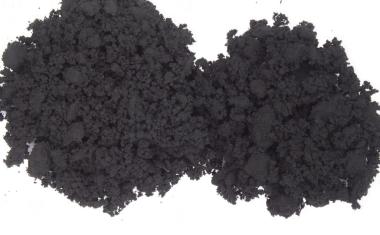
Orion Announced Plans to Shut Down Carbon Black Plants
Carbon black manufacturer Orion Engineered Carbons plans to rationalize production lines in North and South America and EMEA.

VCI Welcomes US-EU Customs Deal
The German Chemical Industry Association (VCI) welcomes the fact that Ursula von der Leyen, President of the European Commission, and US President Donald Trump have averted the danger of a trade war for the time being.

Ratcliffe: Chemical Industry in Europe at a Tipping Point
Ineos CEO Ineos calls on European politicians to save the chemical industry.
Novo Nordisk to Cut 9,000 Jobs Globally in Major Restructuring
Novo Nordisk announced a global workforce reduction of approximately 9,000 positions to streamline operations and reinvest DKK 8 billion (€1 billion) in growth opportunities for diabetes and obesity treatments.