

Pfizer Seen Rethinking Break-up
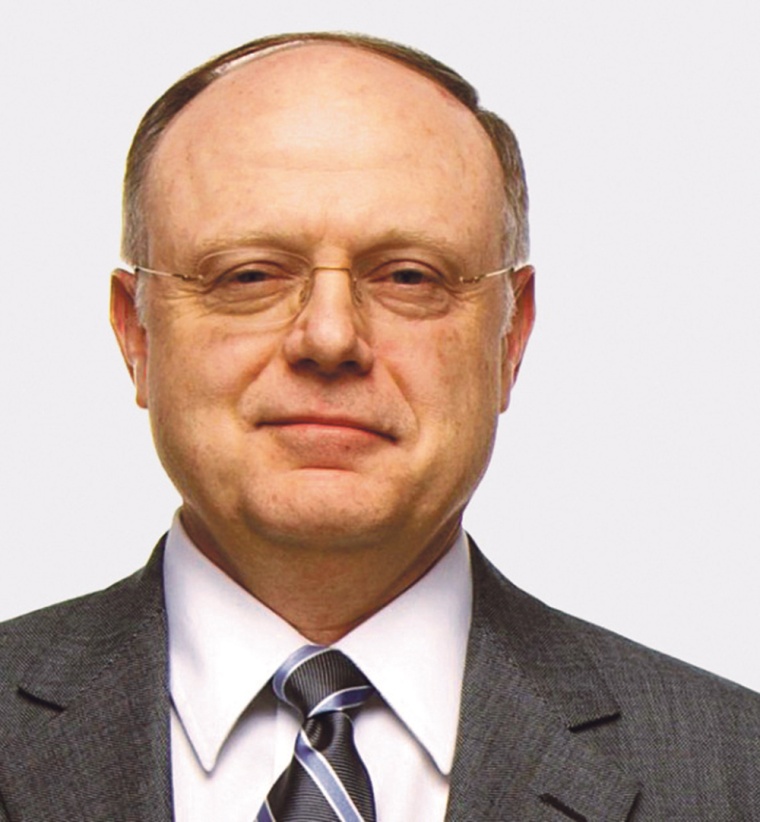
Management of US drug giant Pfizer is having second thoughts about splitting into two separate companies, reports from its second-quarter financial results conference with analysts on Aug. 2 suggest. Although CEO Ian Read has been touting the benefits of a split into units for innovative medicines (Pfizer Innovative Health) and more basic products (Pfizer Essential Health) for some time, he told analysts a final decision has not yet been made, as a break-up has become more complicated. Read said, however, that plans will be settled by the end of this year.
The drugmaker’s chief financial officer, Frank D’Amelio, said the company has spent $600m up to now in preparing for a possible split. Pfizer had already put off a breakup decision in preparation for its failed takeover of Allergan in 2015. This so-called inversion deal, which would have seen the company move its headquarters to Ireland for tax reasons, was blocked by the US Treasury.
During the results conference, Read said the current thinking is that a split might not help reduce Pfizer’s US tax bill. He noted also that recent corporate break-ups in the pharmaceutical industry have seen a decline in the stock market valuations of the drugmakers involved.
In another indication of a possible about-face on the break-up plans, the CEO said that dividing the businesses would also limit the cash each would have to invest in R&D or pay dividends. Shares of Pfizer as a single company have risen by 20% in the past six months and 13% on average this year – outperforming the stock market in general – though the gains eased off slightly following the conference.
US politics will also likely play a role in the company’s decision. Read hinted to analysts that management wants to await the outcome of the US presidential election, which will take place in November, while weighing whether to split or not to split. He said he was confident that the next administration will implement tax reforms.
The Republican candidate, Donald Trump, has promised to lower corporate taxes to a maximum of 15%, which he said would make inversions unnecessary. The Democratic candidate, Hillary Clinton, while saying in the party’s pre-nomination debates she would seek to prevent inversions, also has pledged to make the US a more attractive location for businesses.
The US corporate tax rate is 35%, compared with 12.5% in Ireland, possibly the world’s lowest. The last UK government lowered its tax rate to 19%.




most read
Novo Nordisk to Cut 9,000 Jobs Globally in Major Restructuring
Novo Nordisk announced a global workforce reduction of approximately 9,000 positions to streamline operations and reinvest DKK 8 billion (€1 billion) in growth opportunities for diabetes and obesity treatments.

Ratcliffe: Chemical Industry in Europe at a Tipping Point
Ineos CEO Ineos calls on European politicians to save the chemical industry.
Orion Announced Plans to Shut Down Carbon Black Plants
Carbon black manufacturer Orion Engineered Carbons plans to rationalize production lines in North and South America and EMEA.
Merck Acquires Chromatography Business from JSR Life Sciences
Merck to acquire the chromatography business of JSR Life Sciences, a leading provider of CDMO services, preclinical and translational clinical research, and bioprocessing solutions.