Pfizer Opens Expanded API Manufacturing Site in Singapore
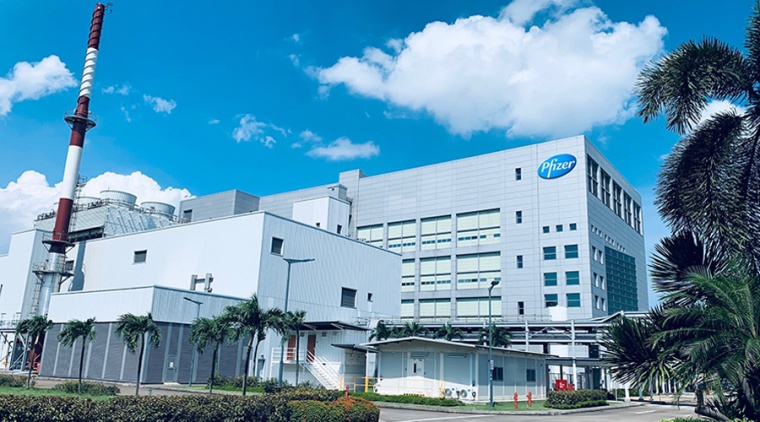
Pfizer has commissioned its expanded, highly automated active pharmaceutical ingredient (API) manufacturing facility at the Tuas Biomedical Park in Singapore.
The $1 billion Singapore dollar (about $744 million) facility covers 429,000 square feet and will produce antibiotics and small molecules for Pfizer’s oncology, pain and antibiotic medicines, the company said.
According to Pfizer, the site expansion is creating over 250 new jobs in addition to the existing workforce of several hundred people in the country, where the company has an established commercial and manufacturing presence.
“With the facility expansion, Pfizer continues to grow its resilient and innovative global supply network. This expanded facility not only grows our overall manufacturing footprint but also strengthens our ability to manufacture breakthrough medicines that change patients' lives,” said Mike McDermott, Pfizer’s chief global supply officer and executive vice president.
The facility, whose construction began in 2020, is designed to facilitate the lean movement of material, reduction in lead times, process turnarounds, and the continuation of best practice in Good Manufacturing Practices (GMP).
In addition to the existing buildings, the facility has the capacity to add processing suites, dry-end suites, dispensaries, warehouse, and ancillary equipment as required in the future, Pfizer said.