Ovomas – High-Value Products From Eggshell Waste
Ovomas, a start-up from Ecuador, creates high-value pharmaceutical products from eggshell waste, including high-purity calcium citrate, nutraceutical capsules, and vitamin-enriched gummies.
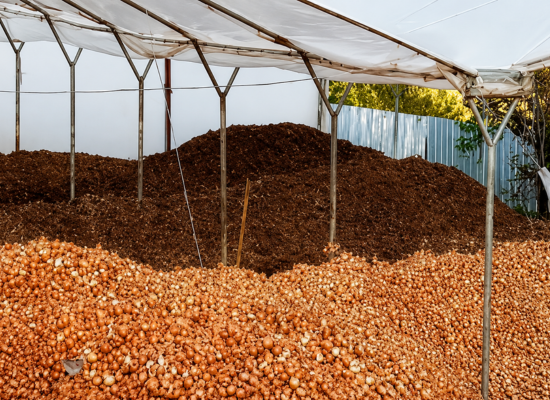
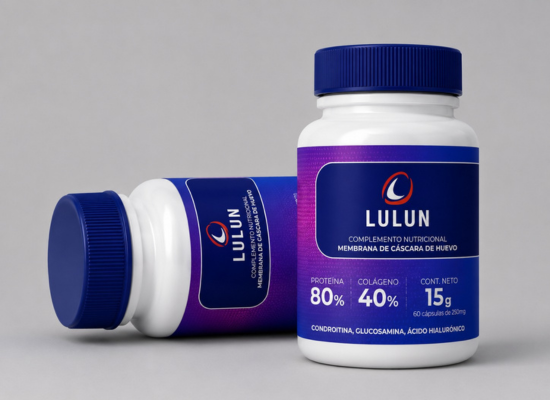
Originally a liquid egg producer, the company implemented an innovative technology that reintegrates eggshell waste into the value chain, moving its operations closer to a circular production model. The resulting high-purity calcium citrate can be used as a nutritional supplement to help prevent conditions such as osteoporosis, while also providing a local alternative to expensive imported products. In addition, Ovomas produces nutraceutical capsules from repurposed eggshell membranes (testacea), further increasing the value recovered from its waste streams.
By reusing large quantities of eggshell waste, Ovomas reduces disposal costs and mitigates several environmental impacts associated with waste management, including methane emissions from landfill decomposition, aquifer contamination, and emissions from conventional calcium production, which relies on limestone extraction and processing.
For these reasons, the International Sustainable Chemistry Collaborative Centre (ISC3) has chosen Ovomas as the ISC3 Start-up of the Month for July 2026.
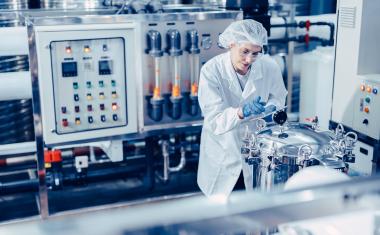
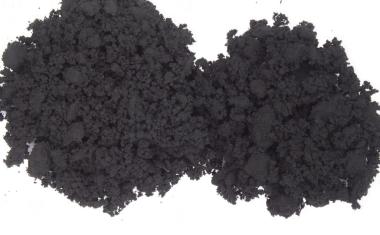
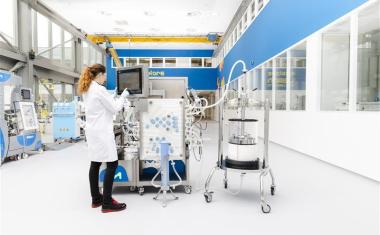
The process begins at the “Bio Materiales Circulares” plant, where eggshells are sanitised according to strict food safety standards to remove impurities and microorganisms. The testacea membrane is then separated and valorised as a secondary product in the form of nutraceutical capsules. The cleaned shells undergo thermal treatment and react with citric acid to produce calcium citrate tetrahydrate. The resulting product is filtered, dried, and subjected to rigorous quality control procedures before being packaged in 25 kg bags. The calcium citrate serves as a raw material for the production of vitamin-enriched gummies and daily supplement sachets.
The whole success story of the ISC3 Start-up of the Month in July 2026 is currently told by the ISC3 on its website at Ovomas (isc3.org).
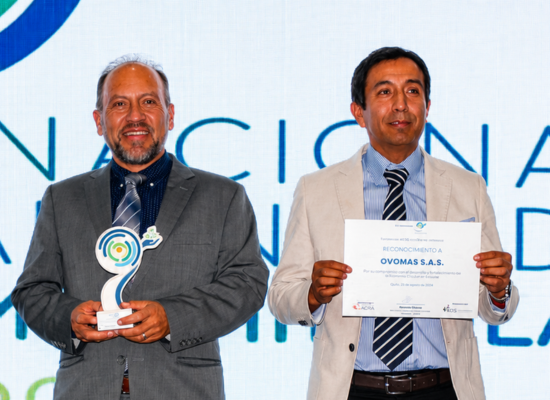
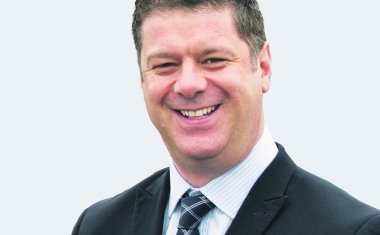
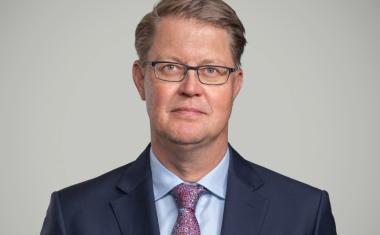
Three questions for Luis Sánchez (Co-Founder & General Manager of Ovomas):
What led to your solution in Sustainable Chemistry?
Luis Sánchez: Ovomas produces 5 tons of eggshells per month as a result of liquid egg production. These eggshells created costs related to environmental taxes ($4,000 per year), pest issues, unpleasant odours, increased carbon footprint, and risks of aquifer contamination and pathogen release. This became the main motivation to develop a Sustainable Chemistry solution due to environmental and economic challenges.
What does being chosen as ISC3 Start-up of the Month mean to you?
L. Sánchez: Being selected as ISC3 Start-up of the Month represents a significant international recognition of our efforts in Sustainable Chemistry and circular economy. It validates our technology, increases visibility to potential clients and investors, and accelerates our path toward global market expansion.
What’s next up at Ovomas?
L. Sánchez: We plan to secure regulatory approvals in Europe, the USA, and Asia, and develop additional circular economy product lines. The next focus is the production of egg oil from the excess generated during egg white production.
Company