Novo Nordisk Licenses Zealand’s Diabetes Treatment
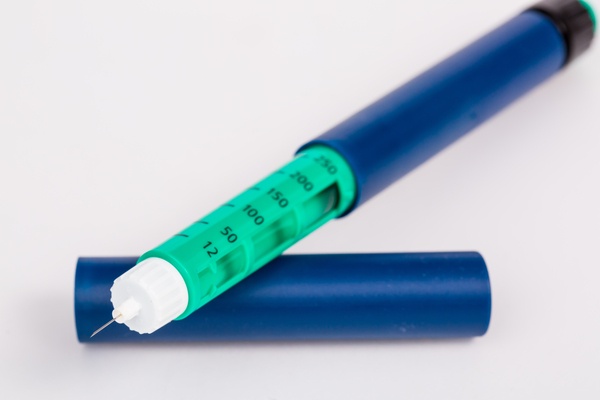
Denmark’s Novo Nordisk has entered into a global license and development with compatriot biotech Zealand Pharma for the latter’s Zegalogue (dasiglucagon) injectable diabetes treatment.
“Although modern diabetes therapy has significantly reduced the occurrence of very low blood sugar levels, or hypoglycemia, for people with diabetes it remains feared and potentially serious,” said Camilla Sylvest, executive vice president at Novo Nordisk.
Under the agreement, Novo Nordisk will pay Zealand 25 million Danish kroner upfront, along with up to 45 million kroner in near-term development, regulatory and manufacturing-based milestones. Zealand is also eligible to receive up to 220 million kroner in sales-based milestones and tiered royalties.
“This agreement is another important step in our strategy to establish commercial partnerships as we create and develop innovative next-generation peptide therapeutics,” said Zealand CEO Adam Steensberg.
Zegalogue was approved on Mar. 22, 2021 by the US Food and Drug Administration for treating severe hypoglycemia in children aged 6 and over, and adults with diabetes.
Zealand will retain all non-licensed intellectual property rights to the company’s other dasiglucagon development programs.
Author: Elaine Burridge, Freelance Journalist