Merck Moves to Advance ADC Therapies
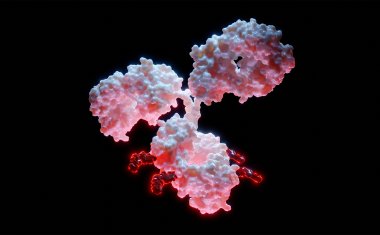
German pharmaceuticals, chemicals and life sciences group Merck has launched new technology and a capacity expansion to advance development of antibody-drug conjugate (ADC) therapies. The initiatives, it said, underscore its continued investment in novel modalities and support efforts to double ADC and high-potent active pharmaceutical ingredient (HPAPI) capacity in the near future.
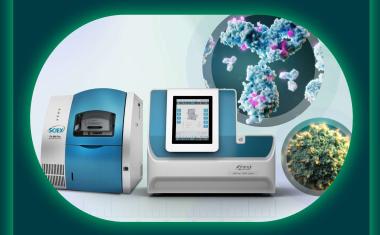
Among the initiatives is the launch of ChetoSensar, a technology designed to improve the poor aqueous solubility of many ADCs, which Merck estimates causes more than 20% of ADC clinical terminations.
Merck has also created a new platform called Dolcore to reduce the development and manufacturing time required for ADCs. The Darmstadt-based player estimates that Dolcore can increase speed to market for a novel Dolostatin-based ADC payload by up to a year.
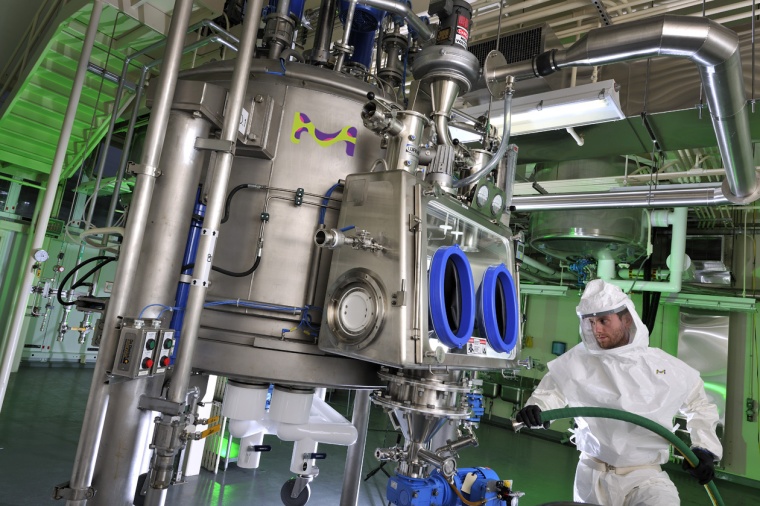
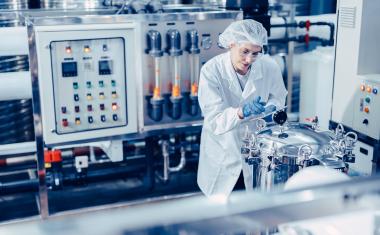
In December, Merck said it will enhance the ADC capabilities of its clinical manufacturing facility in St. Louis, Missouri, USA. The investment will expand the facility’s footprint to enable large-scale production, including chromatographic purification for early phase clinical supply.
The project follows the September 2020 announcement of a €59 million expansion of Merck’s plant near Madison, Wisconsin, USA. Here it is doubling its HPAPI kilo lab capacity in order to expedite the manufacture of HPAPIs, ADC linker/payloads and complex APIs. Completion is expected by mid-2022.
“ADCs have experienced remarkable growth, with commercially approved ADCs tripling in the past three years,” said Andrew Bulpin, head of process solutions in the Life Science business unit. “We are a pioneer in this space, involved in 50% of the commercially approved ADCs on the market today. This latest innovation and additional capacity help bring novel treatments to cancer patients around the world and reinforce our commitment to shaping the future of these novel modalities.”
Merck has announced a spate of expansion projects recently, including three in the US, at Carlsbad, California; Jaffrey, New Hampshire; and Danvers, Massachusetts, as well as in Darmstadt; Cork, Ireland; and Buchs, Switzerland.
The German group said the expansions are part of an ambitious, multi-year program to increase the industrial capacity and capabilities of the Life Science business to support growing global demand for lifesaving medications and to make significant contributions to public health.
Author: Elaine Burridge, Freelance Journalist