Lonza Upgrades ADC Operations at Visp Plant
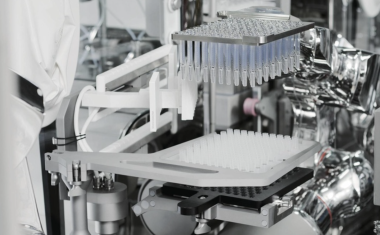
Lonza has upgraded its Antibody Drug Conjugate (ADC) clinical manufacturing plant at Visp, Switzerland, with a new plant layout, which it said yields a larger, more flexible production area with increased manufacturing capacity. Current ADC operations will continue without interruption during the process.
Additionally, the Swiss specialty chemicals producer will add new single-use technology at Visp over the coming months to reduce potential product contamination risks and allow for increased manufacturing capacity of existing and novel ADC platforms.
Currently, Lonza's clinical ADC plant in Visp produces toxicology lots, early-phase GMP lots and GMP re-supply lots to support ongoing clinical trials for several different product candidates.
Due to growth in oncology therapeutics, the deployment of ADC targeted therapies has intensified in recent years, Lonza said, noting that this growth has led to an increased clinical pipeline, which necessitated the expansion of manufacturing capacity and the utilization of new single-use technologies.
ADC cGMP manufacturing facilities must be designed to handle both biological species and highly potent cytotoxic small organic molecule drugs. Since 2010, Lonza has validated large-scale commercial manufacturing of platform ADC technologies primarily utilized by ADC drug developers in conjunction with novel linker/payload platforms.
The ADC facilities underwent a successful FDA Pre-Approval Inspection (PAI) in October 2012.