Linde and Praxair Sign Merger Agreement
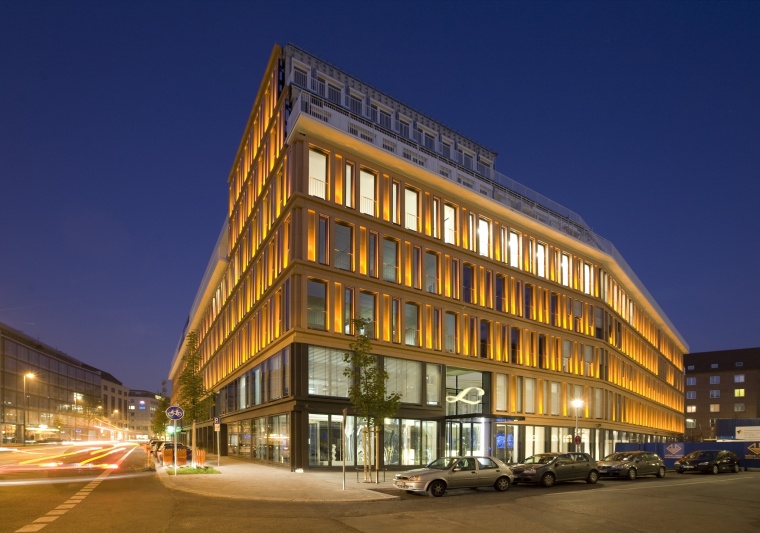
German industrial gases group Linde has finally signed a formal merger agreement with US rival Praxair after the two companies reached a deal in principle. Negotiations to finalize the agreement fell behind schedule after shareholders’ representatives criticized the proposal at Linde’s annual general meeting on May 10, adding to the discontent previously expressed by employee representatives who are worried about job losses.
Wolfgang Reitzle, Linde’s supervisory board chairman, said last month that he would be prepared to use his double vote to seal the deal in the case of a split between shareholder and worker representatives. Linde’s labor representatives have fiercely opposed the merger, mainly because moving the headquarters out of Germany would dilute their ability to have a say in strategic decisions. The companies have said the combined group would operate out of Danbury, Connecticut, USA, headed by Praxair’s CEO Steven Angel, with Linde supervisory board chairman Wolfgang Reitzle as chairman.
The all-share “merger of equals” is consistent with the structure announced on Dec. 20, 2016 and must now be approved by Praxair’s board of directors as well as Linde’s executive and supervisory boards. Citing sources, German newspaper WirtschaftsWoche said Linde's supervisory board would vote on the proposal next week.
Analysts at Bernstein have estimated that the combined entity could account for 40% of the global industrial gases market, displacing Air Liquide as the market leader.