BASF Presents Innovations for Sustainable Chemistry and Agriculture
The combination of technological excellence and sustainable solutions is increasingly becoming a success factor for BASF. Examples from BASF research illustrate how innovative technologies can revolutionize the chemical and agricultural industries and offer not only direct competitive advantages, but also impulses for the sustainable transformation of the industry.
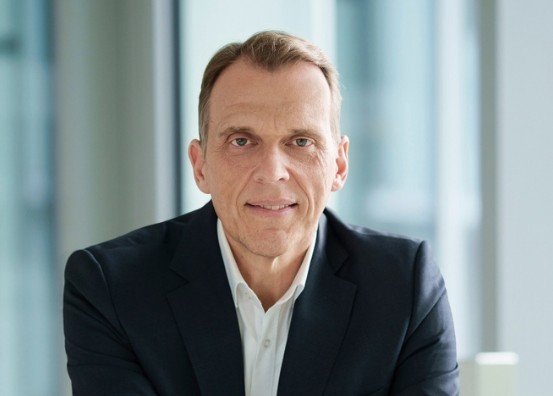
"Innovation has always been part of BASF's DNA. Especially in these volatile times, it is crucial to utilize our innovative strength. This helps us to develop competitive solutions that differentiate us in our markets and give us a competitive advantage," said Stephan Kothrade, Member of the Board of Executive Directors of BASF and Chief Technology Officer, at the company's Research Press Briefing. To achieve this, BASF introduced its "Winning Ways" strategy around a year ago - with the clear goal of becoming the preferred chemical company that enables the green transformation of its customers. "Our ambition goes beyond our own green transformation. We want to inspire our customers to choose BASF as their trusted partner for their future success," emphasized Kothrade.
Research and development (R&D) is a key pillar of this strategy, with which BASF enables customers to grow in their markets and drive innovation through product and process innovation.
The most important topics for BASF, where progress in research and development is crucial, are green transformation, sustainable agriculture and competitiveness. This includes continuously improving technologies, processes and procedures, which has always been a focus at BASF. "By constantly improving the energy and resource efficiency of our plants, we not only secure cost leadership in many value chains, but also improve the sustainability of our products."
To further strengthen its R&D portfolio, BASF is continuously researching new solutions and improving existing products and processes. With annual investments of around €2 billion in R&D in 2024, BASF is a leader in the chemical industry. Around 80% of classifiable R&D activities support BASF's sustainability goals. "This shows our strong commitment to the green transformation," says Kothrade. And the investments in R&D are paying off: Over 15% of sales come from innovative products - around €11 billion in 2024 - that have emerged from R&D activities over the past five years. "The most important success factors are the expertise and commitment of our approximately 10,000 R&D employees worldwide," said Kothrade. In 2024, their work and expertise led to over 1,000 new patents, of which around 45% focused on sustainability and 23% on digitalization and artificial intelligence (AI).
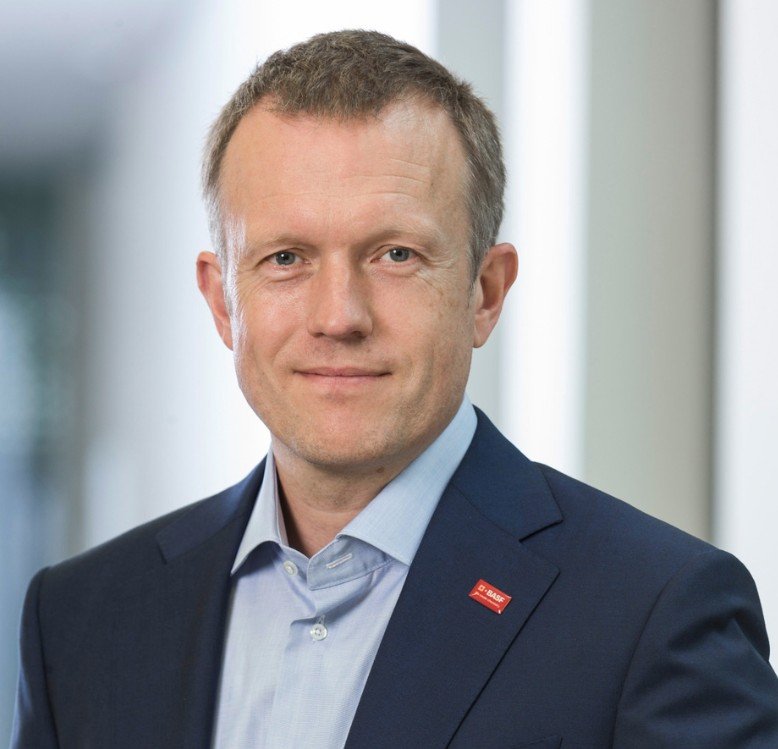
Christoph Wegner, President Group Research and until mid-year President, Global Digital Services, emphasized the importance of digitalization in research and development at BASF: "Digital solutions and artificial intelligence are indispensable in our work today." The BASF-wide knowledge management platform QKnows, for example, enables the global R&D community to search for scientific literature, patents and internal reports in one place. Thanks to AI functions, relevant information can be found more quickly in the more than 400 million documents, helping researchers to access complex scientific topics and gain valuable insights for their daily work. "Such a powerful system is unlikely to be found anywhere else. This gives us a clear competitive advantage," emphasized Wegner.
Another example of digitalization in research and development at BASF is the company's first AI reactor. A typical and challenging task for a chemist is to maximize the yield of a reaction. Until now, it has been common practice to vary different reaction parameters one after the other - a time-consuming process. The AI reactor now speeds up this complex process considerably: it plans, carries out and analyzes chemical experiments. In doing so, it learns, independently triggers the next reaction cycle and increases the yield of the reaction. "Our initial tests show that we are 20 times faster than when we do it manually," says Wegner. BASF would therefore like to expand this system to cover all chemical areas relevant to the company.
The third example of the use of AI in research and development comes from the Agricultural Solutions division. Assessing the risk of crop protection products entering the groundwater is a crucial step in their approval. This process is complex, time-consuming and requires in-depth regulatory expertise. Current regulatory models are not well suited to be applied to a large number of candidates in the early stages of research. Here, BASF has developed an AI tool that predicts the risk of entering groundwater for all compounds at an early stage of research. To develop the underlying model, BASF ran around one million simulations with its supercomputer Quriosity. "Artificial intelligence helps us to use our resources for the safest compounds with the highest chances of success," says Wegner, summarizing the advantages.

At the Research Press Briefing, BASF experts presented concrete innovations that show what the focus on green transformation, sustainable agriculture and competitiveness looks like in practice.
The circular economy to wear
The clothing industry produces more than 120 million tons of textile waste worldwide every year, less than one percent of which is recycled. Dag Wiebelhaus, Head of Product Innovation in BASF's Monomers division and head of the Loopamid project, reported on this. With Loopamid, BASF researchers have developed an innovative process that enables the circular textile-to-textile recycling of polyamide 6, also known as nylon 6. Dag Wiebelhaus, Head of Product Innovation in BASF's Monomers division and head of the Loopamid project, reported on the process, which enables polyamide fibers to be recovered from textile waste that are just as high-quality as conventional polyamide 6 and produce up to 70% less CO₂. The clothing industry uses polyamide 6 to produce sportswear, outdoor clothing and swimwear, for example.
The innovative recycling process, in which material blends such as fabrics with elastane and dyes can also be processed, involves several steps: First, textiles containing polyamide are collected from used clothing containers or retail returns and production waste from textile manufacturing, among other sources, and separated from other materials. The textiles are then shredded and shredded, with buttons, zippers and embellishments being removed first. The material is then depolymerized in a chemical process. This means that the long chemical chains of the polyamide polymer are broken down into individual molecular building blocks, known as monomers. The monomers are purified in a multi-stage process, whereby unwanted substances such as dyes and additives are removed. Finally, the purified caprolactam monomers are polymerized again to form new polyamide, i.e. linked together. BASF started up the first commercial loopamide production plant at its Caojing site in Shanghai, China, at the beginning of 2025.
3D printing in catalyst production
Catalysts have become an integral part of chemical production: over 85% of all chemical products come into contact with catalysts at least once during their manufacture. These enable more efficient reactions, reduce the consumption of energy and raw materials and make a significant contribution to reducing waste. Traditionally, catalysts are produced by extrusion or tableting - processes that have been tried and tested for over 70 years. They ensure that catalysts are brought into shape and have significantly increased the efficiency of chemical processes.
However, with increasing demands on performance and complexity, these classic methods are reaching their limits. Especially when it comes to the development of catalysts with three-dimensional, optimized structures and improved flow properties, extrusion and tableting are no longer sufficient.
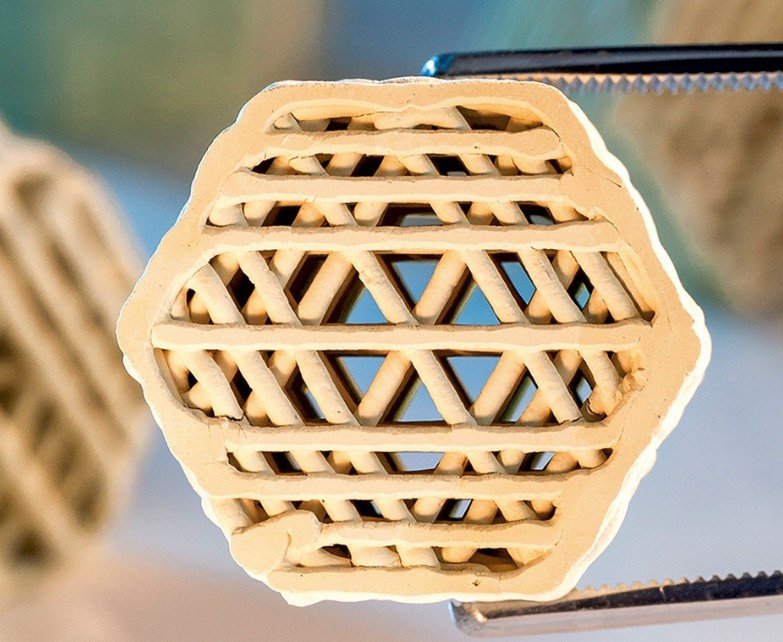
BASF has set a milestone in catalyst production with X3D catalyst molding. The innovative process is based on modern 3D printing and allows the production of catalysts with customized geometric shapes that enable optimized performance and efficiency. Thanks to the open structure and increased surface area of the 3D-printed catalysts, the pressure drop in the reactor is significantly reduced - a decisive advantage for industrial applications. This not only leads to improved catalyst performance, but also to lower energy consumption, lowerCO2 emissions and better product quality.
The development of the X3D technology by BASF researchers also includes the scaling up of the production process. The throughput has been increased to such an extent that the industrial production of 3D-printed catalysts is now possible. The process is versatile and allows the production of various catalysts made of precious and non-precious metals as well as different carrier materials. The flexibility of the technology enables BASF to respond specifically to customer requirements and develop customized solutions.
In view of the high demand for these innovative catalysts, BASF is investing in the expansion of its production capacities. A new production plant is currently being built at the Ludwigshafen, Germany, site, which will ensure the industrial production of 3D-printed catalysts on a large scale from 2026.
Plant research: Science in seeds
The challenges facing agriculture are increasing worldwide. Climate change, limited arable land and the spread of resistant weeds pose major problems for farmers. Weeds compete with crops for nutrients, water and light and can cause significant crop losses. Effective control of these plants is essential to ensure crop productivity and quality.
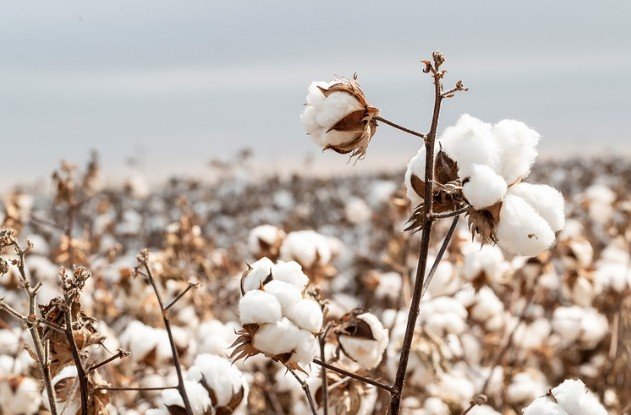
Cotton cultivation is particularly affected. To help farmers, BASF has developed two novel herbicide-tolerant traits for cotton seed: Axant Flex for the USA and Seletio TP for Brazil. Axant Flex is the first trait to combine four different herbicide tolerances in one plant. This gives US farmers the flexibility to use different herbicides and control weeds effectively. Seletio TP offers Brazilian farmers similar advantages and ensures sustainable weed control.
Both technologies also protect the cotton plants from insect pests, thereby securing crop yields. The development process focused on special enzymes: 4-hydroxyphenylpyruvate dioxygenases (HPPD). Certain herbicides inhibit HPPD and thus stop important metabolic processes in weeds. BASF has identified bacteria whose HPPD enzymes are tolerant to these herbicides.
The HPPD enzymes found in bacteria were optimized by BASF and their genes were introduced into the genetic material of the cotton plants. The aim was to identify and combine the best plant characteristics - so-called traits. To this end, thousands of plants were tested under various conditions in the greenhouse and in field trials. In addition to herbicide tolerance, insecticide resistance, plant health, fiber quality and yield were also evaluated. The result is a seed that meets the complex requirements of modern agriculture and allows farmers worldwide to secure yields sustainably.
These biotechnological advances show how research and innovation are helping to make agriculture more resilient and sustainable. They are an example of how companies like BASF are providing concrete solutions to global problems through targeted developments in plant research.
Competitive hydrogen of the future
Hydrogen plays a central role in the chemical industry. It is an irreplaceable raw material for important basic chemicals such as ammonia and methanol. BASF's global demand for hydrogen is currently around one million tons per year. Around 200,000 t of this is produced at the Ludwigshafen site alone or is a by-product of production. In addition to its use as a raw material, hydrogen is also seen as a key energy source of the future.
To date, the company has mainly produced hydrogen through steam reforming, whereby natural gas is split into hydrogen andCO2 using steam. BASF is working on a new technology, methane pyrolysis, to produce hydrogen cost-effectively and with a significantly lower CO2 footprint. Together with cooperation partners, BASF has developed methane pyrolysis technology in several projects funded by the German Federal Ministry of Research, Technology and Space (BMFTR). The principle of methane pyrolysis is as follows: Methane (CH4), the main component of natural gas or biogas, is split directly into its components carbon (C) and hydrogen (H2) at high temperatures. Compared to water electrolysis, methane pyrolysis requires just under a fifth of the electrical energy. If electricity from renewable sources is used, the chemical reaction takes place without CO2 emissions. BASF and ExxonMobil want to further advance this technology and have signed a corresponding development agreement. The aim of the agreement is to further develop methane pyrolysis into a commercial process with which emission-free hydrogen can be produced at competitive conditions.
In addition to hydrogen, methane pyrolysis produces solid, pure carbon - a valuable raw material that does not occur in nature. This carbon can be used for the production of aluminum and steel, electrodes or lithium-ion batteries, for example. BASF and ExxonMobil are currently working together with their customers to optimize the carbon so that it can be tailor-made for use in the respective production processes at the customers.
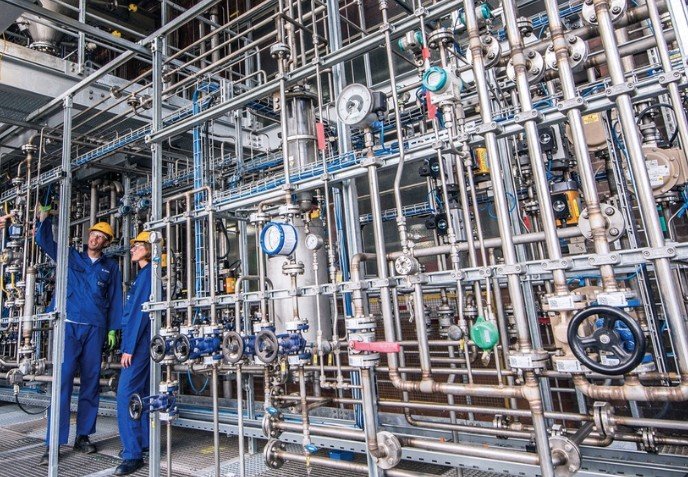
BASF has been operating a test plant for methane pyrolysis at its Ludwigshafen site since 2021. The special feature of this plant is the innovative reactor. For the first time, it uses a special technology that splits methane particularly efficiently. As a result, the efficiency and process efficiency are very high, making BASF's process superior to other methane pyrolysis technologies. In order to further scale up the technology and offer it as a competitive alternative for hydrogen production, BASF and ExxonMobil are planning to jointly build and operate a demonstration plant. This can produce up to 2,000 t of low-emission hydrogen and 6,000 t of solid carbon per year.