Ineos and Plastic Energy in new Feedstock Recycling Pact
Ineos Olefins & Polymers Europe and Plastic Energy have signed a Memorandum of Understanding (MOU) to produce 100,000 t/y of petrochemical feedstock from recycled plastic waste.
The companies said this will be the largest use of the UK recycling think-tank’s technology currently on the market.
Employing the new raw material is aimed at facilitating a circular approach to manufacturing plastic products that must meet the stringent requirements of food contact and medical applications.
The new pact builds on a collaboration begun in 2020 to explore construction of a commercial scale plant. Under the current plans, a new facility to be built at Ineos’ Cologne, Germany, site by 2026 will use Plastic Energy’s patented TAC technology to transform hard to recycle plastics waste that otherwise would be incinerated or landfilled into a feedstock
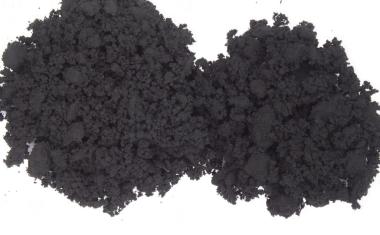
Ineos said it plans to invest in the technology needed to further process the new Tacoil-branded substance further before feeding it into its crackers to commercially replace traditional oil-derived. raw materials.
As well as reducing the risk of plastic pollution and curbing the use of fossil-based raw materials, the circular process will also help to reduce total emissions, supporting the transition to net zero, the olefins and polyolefins giant asserts.
Since the collaboration’s launch, TACOIL has already been successfully converted into virgin-quality polymer in the Cologne cracker and used by selected customers and brands to demonstrate the viability and demand for materials from advanced recycling, the partners noted.
Using a mass balance approach, which enables co-processing of circular and fossil feedstocks, an independent, third-party organization such as ISCC or RSB will certify that fossil-based feedstocks have been substituted by the new, recycled materials and ensure that recycled benefits are being accounted for correctly.
Ineos said its use of advanced recycling solutions is complementary to its Recycl-IN range, which compounds mechanically recycled materials with highly engineered polymers to make products that enable converters and brand owners to meet consumer demands for an increase in the use of recycled materials, while meeting high performance specifications.
While advanced recycling provides solutions for applications such as food contact and medical, the Recycl-IN range targets non-food contact uses. The complementary nature of the two approaches is also reflected in the type and qualities of waste used for each, the company said.
Author: Dede Williams, Freelance Journalist