GSK and J&J Lead Rivals in Drug Access for Poor
Drugmakers - led by GlaxoSmithKline and Johnson & Johnson - are stepping up efforts to ensure their medicines are available and affordable in poor countries, after being attacked in the past for not doing enough.
The Access to Medicines Index, which tracks the actions of the top 20 drugmakers, showed on Wednesday there had been an improvement across the board in the past two years, reflecting both commercial self-interest and a concern for reputation.
Still, the nonprofit group behind the index took companies to task for not being more open about the widespread outsourcing of clinical trials in overseas countries, where many studies are handled by contract research organisations (CROs).
The analysis found no company was fully transparent about all the CROs it used, and only four - Merck & Co, Sanofi, GlaxoSmithKline and Eisai - provided evidence of enforcing codes of conduct to ensure CRO trials met safety and ethical standards.
Companies are increasingly conducting clinical trials in eastern Europe, Asia and Latin America, where costs are often lower and patients easier to recruit.
Low cost, high volume
With emerging markets now a top priority for pharmaceutical companies worldwide, as sales in Western nations slow, firms are experimenting with a wide variety of low-cost, high-volume models to boost business.
As a result, Wim Leereveld, founder of the Amsterdam-based Access to Medicine Foundation, said companies were becoming much more organised internally in addressing the needs of low-income markets.
More companies are now adopting "tiered" pricing, with prices in poor countries sometimes reduced by 50 to 75%, although this varies considerably between companies, products and markets.
Britain's GlaxoSmithKline came top in the 2012 index, based on an assessment of performance across a range of activities, such as drug donation, patent policy, pricing and research.
Johnson & Johnson was second and Sanofi third, while Japanese drugmakers came bottom of the table.
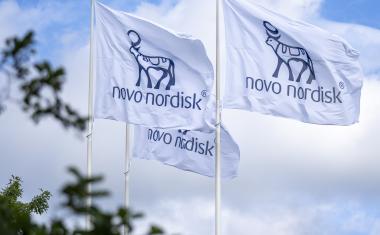
Significantly, two of the top six companies were mid-sized businesses - the HIV/AIDS specialist Gilead Sciences and diabetes care group Novo Nordisk - reflecting the importance of less-developed countries in both these diseases.
It is the third time the index has been compiled. GSK also led the board in previous rankings in 2008 and 2010.
Boardroom attention
The pharmaceutical industry has often had a stormy relationship with healthcare activists and some governments, leading to a bruising battle a decade ago with South Africa over AIDS drugs patents and access.
Since then, companies have come under increasing pressure to do things differently and make their products more affordable.
"The key is that the boards of these companies understand it is an important issue ... in getting them access to markets and maintaining a good reputation with governments," said David Sampson, author of the latest report.
The 2012 analysis found that the issue was now a board-level matter for more than 60% of companies, leading to novel approaches, such as GSK's recently established developing countries and market access unit.