EP Calls for Controls on Palm Oil Imports
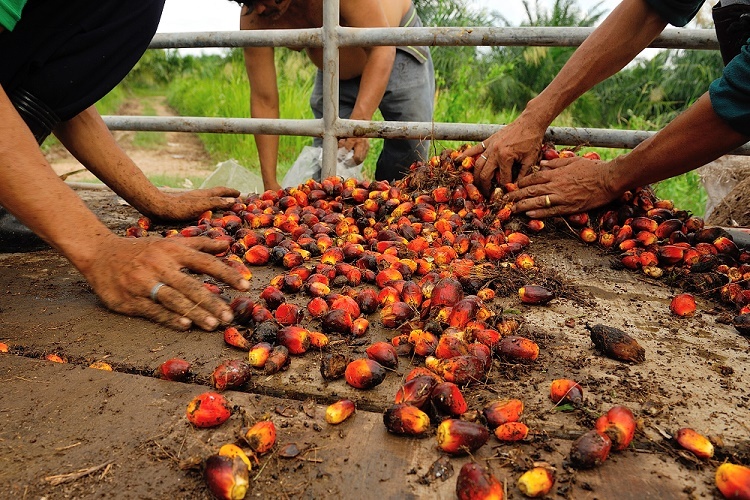
In a resolution adopted by 640 votes to 18 with 28 abstentions, the European Parliament (EP) has called for the EU to tighten up on imports of palm oil due to its unstainable production that it says goes hand in hand with deforestation and habitat degradation, particularly in Southeast Asia.
In the resolution, the MEPs said also that the EU should introduce a single certification scheme for palm oil entering the market and phase out the use of vegetable oils that drive deforestation by 2020. While various voluntary certification schemes promote the sustainable cultivation of palm oil, their standards are open to criticism and are confusing for consumers, they noted.
According to the Parliament’s calculation, around 46% of the palm oil imported into the European market is used to produce biofuels, requiring the use of about one million hectares of tropical soils. Some of it also goes into cosmetics.
The early April plenary session also urged the EU to introduce sustainability criteria for palm oil and products containing the oil. The Commission, it said, should improve the traceability of imports and consider applying different customs duty schemes that reflect real costs more accurately until the single certification scheme takes effect.
In the EP’s view, a large part of the global production of palm oil is in breach of fundamental human rights and adequate social standards, especially as growers frequently use child labor. The plantations also are said to give rise to many land conflicts between indigenous peoples vying to sell their property.
“This is Parliament’s first resolution on this issue and it is up to the Commission how it acts upon it. But we cannot ignore the problem of deforestation, which threatens the Global Agreement on Climate Change COP21 and UN Sustainable Development Goals”, said Kateřina Konečná, who drafted the resolution.
“We want an open debate with all players so we can make palm oil production sustainable, without cutting down forests and in compliance with dignified human rights conditions,” Konečná said.