Chemical Industry Groups Urge US and Canada to Return to Trade Talks
Industry associations representing the chemical sectors in the United States and Canada are urging their governments to return to the negotiating table after talks failed to produce a deal averting a fresh round of retaliatory tariffs between the two countries.
The American Chemistry Council (ACC) said it was discouraged to learn that US and Canadian officials had failed to reach an agreement that would have avoided the imposition of retaliatory duties. In a statement issued Monday, the group emphasized how closely intertwined the two countries' chemical industries have become.
A representative from ACC stated, “The United States and Canada share a deeply integrated trade relationship that strengthens North American competitiveness, supports new investments in both countries, and sustains millions of jobs through the US-Mexico-Canada Agreement (USMCA)."
The ACC also pointed to Canada's position as one of the largest markets for US chemical exports, and argued that the US industry depends on its relationships with Canada and Mexico to stay competitive amid global overcapacity and unfair trade practices elsewhere. The group called on negotiators from both countries to return to the table and reach a deal that benefits workers and businesses in both nations, noting that it has already been working alongside Canadian and Mexican counterparts — CIAC and ANIQ — on joint recommendations and work streams aimed at strengthening North American supply chains, investment, and innovation.
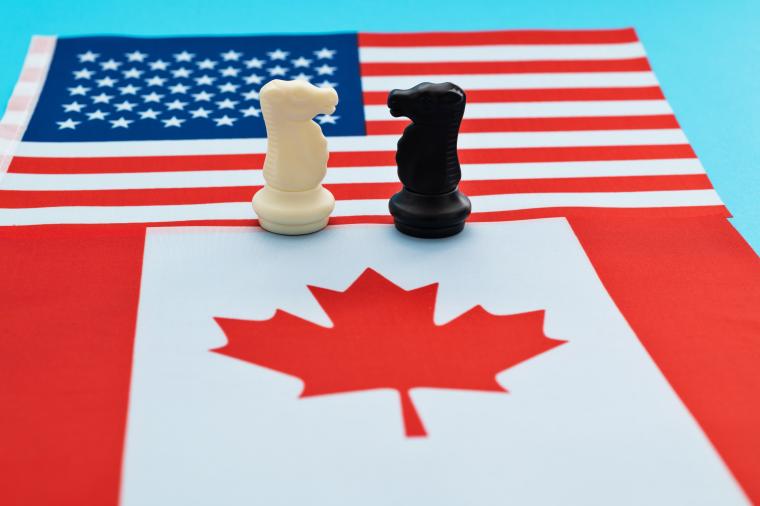
North of the border, the Chemistry Industry Association of Canada (CIAC) struck a similarly urgent tone, warning that the new US tariffs will create significant challenges for Canadian manufacturers, including companies in the country's chemistry and plastics sector. The group said the immediate concern for affected companies is competitiveness, since tariffs of this magnitude can sharply raise the cost of Canadian products in the US market, putting existing customer relationships, production, jobs, and future investment at risk, in some cases forcing companies to reconsider whether Canadian production aimed at the US market remains commercially viable.
CIAC said Canadian companies hit hardest by the tariffs may need timely, meaningful financial support from the federal government to keep operations running, protect jobs, and preserve investment while a longer-term resolution is worked out. It called for that support to be practical, accessible, and responsive to individual companies' circumstances, potentially including help with short-term liquidity, financing, trade diversification, and capital investment. The association also urged Ottawa to consult closely with industry as it develops its own retaliatory tariff package, and to be prepared to consider tariff remission where appropriate.
Industry Unity
Both groups underscored just how deeply the two countries' chemical and plastics industries are linked. CIAC noted that more than $115 billion worth of chemistry and plastics products cross the Canada-US border each year, with materials often crossing multiple times before becoming finished goods. The association added that while governments negotiate trade deals, it's ultimately millions of customers and companies that put them into practice, and said its priority is preserving a competitive Canadian manufacturing sector and the integrated North American supply chains that support workers and businesses on both sides of the border.
The dueling statements suggest that even as trade tensions escalate at the political level, industry groups on both sides of the border are aligned in wanting a swift return to negotiations rather than an extended tariff standoff. The two industry groups have been actively involved in coordinating efforts for USMCA, together with Mexico's ANIQ, and have publicly been pushing for a mutually beneficial free trade agreement.