BP Signs Customers for UK’s Largest Hydrogen Plant
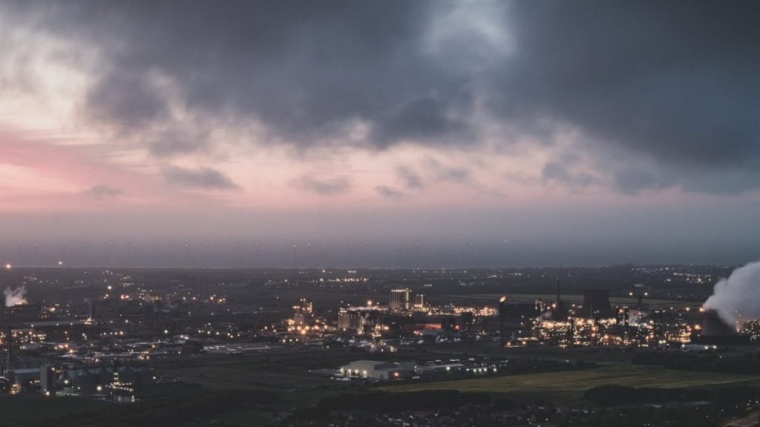
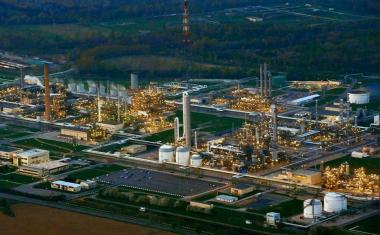
BP has agreed Memoranda of Understanding (MoUs) with four new potential customers for its proposed clean hydrogen production facility in Teesside, said to be the UK’s largest when it goes on stream.
The project was announced in March and aims to produce up to 1 GW of blue hydrogen – 20% of the UK’s hydrogen target – by 2030. At that time, BP also announced it had signed initial MoUs to scope the supply of hydrogen to chemicals producer Venator and gas distributor Northern Gas Networks.
The UK group has now signed MoUs with four further potential customers, with existing or planned new Teesside operations. They are CF Fertilisers, Mitsubishi Chemical, Sembcorp Energy UK and Alfanar Company.
CF Fertilisers would use the clean hydrogen as fuel to reduce hard-to-abate combustion emissions at its Billingham plant. Mitsubishi would use the hydrogen in its methyl methacrylate plant, formerly owned by Lucite International. Sembcorp would use the gas in its combined heat and power plants, as well as developing infrastructure at Wilton International to enable hydrogen supply to third parties. Finally, Alfanar would use the hydrogen in its waste-to-sustainable-aviation fuel plant, which is currently being developed at Teesside.
Louise Jacobsen Plutt, BP’s senior vice president of hydrogen and carbon capture, use and storage (CCUS), said the announcement “demonstrates the diverse range of companies and industries that can benefit from clean hydrogen.” She commented: “Teesside has all the attributes of a world-class clean hydrogen hub – the right natural resources, concentrated demand, potential for hydrogen storage and pipelines, ample access to CCUS and the right skills base. Ultimately, these MoUs show how supply and demand can work together to accelerate the growth and delivery of a hydrogen economy.”
Blue – or clean – hydrogen is produced by converting natural gas into hydrogen and CO₂, which is then captured and permanently stored. Clean hydrogen is regarded as key to the decarbonization of hard-to-abate industries that have high heat requirements or require low carbon feedstocks.
The energy group expects to take a final investment decision in early 2024. The project would be developed in stages, with an initial 500 MW of blue hydrogen capacity available by 2027 or earlier and additional capacity to be deployed by 2030 as decarbonization of the industrial cluster and hydrogen demand gathers pace.
BP said it sees potential for further hydrogen demand in Teesside beyond 2030.
Author: Elaine Burridge, Freelance Journalist