BMW Investor Klatten to Head SGL Supervisory Board
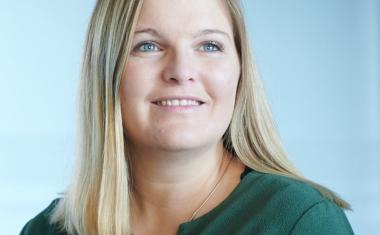
Susanne Klatten, Germany's richest woman and a major investor in carmaker BMW, is set to become head of the supervisory board at SGL Carbon, giving her more influence over the carbon fiber firm in which both BMW and rival VW have stakes.
SGL said on Wednesday the supervisory board would ask shareholders at their April 30 annual meeting to approve Klatten as chairwoman.
SGL was the subject of a headline-grabbing tussle between BMW and Volkswagen (VW) in 2011.
BMW at the time secured a 15.7% stake in SGL, the only European maker of fibers that go into ultra-lightweight carbon reinforced plastics, stealing a march on Volkswagen , which holds almost 10% of the firm's shares.
Carbon fiber reinforced plastics are 30% lighter than aluminium and 50% lighter than steel, offering carmakers a way to cut vehicle weight and carbon dioxide emissions. The passenger cabin of BMW's compact electric vehicle i3, to be launched later this year, consists of carbon fibre reinforced parts based on SGL's products.
While these fibres are a promising new product for SGL, the company's main business for now is graphite electrodes, which are built into electric arc furnaces to recycle scrap metal into steel.
Klatten, currently deputy chairwoman of the supervisory board, owns just under 27% of SGL Carbon via the Skion holding company.
Current Chairman Max Dietrich Kley will vacate the role at the April 30 annual general meeting.