BASF Opens Fermentation Plant for Crop Protection
BASF Agricultural Solutions has successfully commissioned its BioHub, a new fermentation plant for biological and biotechnology-based crop protection products, at the Ludwigshafen site.
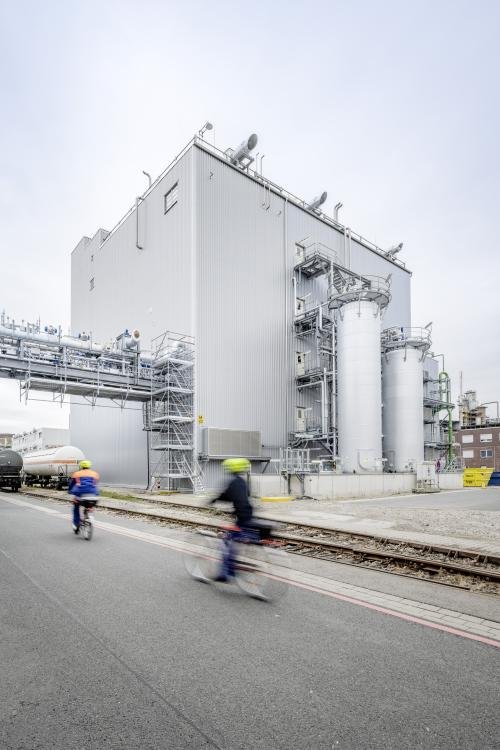
BASF is strengthening its portfolio of biological innovations with an investment in the high double-digit million euro range. The plant will produce biological fungicides and products for biological seed treatment that will give farmers access to innovative solutions for sustainable, integrated crop protection.
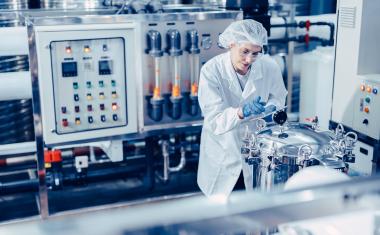
The BioHub uses microorganisms to convert renewable raw materials such as glucose into the desired products – a process known as fermentation. The production of key biological active ingredients successfully began this year, including the bacterium Bacillus amyloliquefaciens, which forms the basis of the biological fungicide Serifel, and the main building block of Inscalis, a novel insecticide based on the fungal strain Penicillium coprobium. Bringing this production process in-house strengthens BASF’s execution excellence, increases flexibility, and enhances the resilience of supply chains.
“The successful commissioning of the BioHub marks an important step forward in Industrial Biotechnology for BASF Agricultural Solutions,” said Melanie Bausen-Wiens, Member of the Management Board of Agricultural Solutions, in charge of Technology. “By bringing fermentation production in-house, we directly link our expertise in research with industrial-scale manufacturing, allowing us to accelerate and adapt biotechnological innovations.”
“The global market for biological crop protection solutions continues to grow steadily,” said Maximilian Becker, Member of the Management Board of Agricultural Solutions, in charge of Business. “With this new fermentation plant, we have established a scalable and flexible platform that enables us to strengthen our BioSolutions portfolio while ensuring a consistent and dependable supply for our customers.”